Get Full Government Meeting Transcripts, Videos, & Alerts Forever!
Get email alerts on the National Guard Reimbursements topic
No spam. Unsubscribe anytime.
Senator Proposes Amendment to Send National Guard Reimbursements Directly to Units
Summary
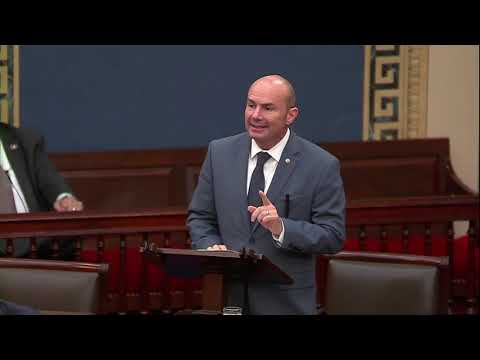
An unnamed senator on the Senate floor proposed an amendment to direct federal reimbursements for state active-duty National Guard missions to the individual guard units instead of routing the funds through the Treasury Department, saying the change would streamline readiness for future missions. No vote was recorded in the provided transcript.
An unnamed senator on the Senate floor proposed an amendment to change how federal reimbursements for state active-duty National Guard missions are processed, directing payments to the individual guard units instead of routing them through the Treasury Department.
The senator said the current process creates “an unnecessary bureaucratic hurdle” that jeopardizes the Guard’s readiness. “The National Guard’s motto is always ready, always there,” the senator said, and argued the amendment would make units whole after they use federal equipment on state missions.
The amendment, as described on the floor, would send reimbursements “to the appropriate guard unit directly, the unit where the asset resides, to ensure its readiness for future missions,” the senator said. The senator noted that in 2022 “over half of the National Guard's members responded to natural disasters, including wildfires, hurricanes, winter storms, tornadoes, and even volcanoes,” framing the proposal as relevant to disaster response preparedness.
Under current law, the senator said, reimbursements for federal equipment used during state active-duty missions must flow through the Treasury Department rather than being expensed directly by the guard unit that used the asset. The senator called the change a streamlining measure to remove that step and encouraged colleagues to support the amendment.
The provided transcript records the senator urging support but does not record a formal motion being moved, a second, or any vote on the amendment. No additional details about the amendment’s statutory language, implementation mechanism, or fiscal effects were specified in the transcript.
Because the transcript does not record further floor action, it is not possible from the available record to say whether the amendment was adopted, amended, or referred for further consideration.