AMPO: Reauthorization "moving fast" as coalition presses for more local funds
September 29, 2025 | Laredo, Webb County, Texas
This article was created by AI summarizing key points discussed. AI makes mistakes, so for full details and context, please refer to the video of the full meeting. Please report any errors so we can fix them. Report an error »
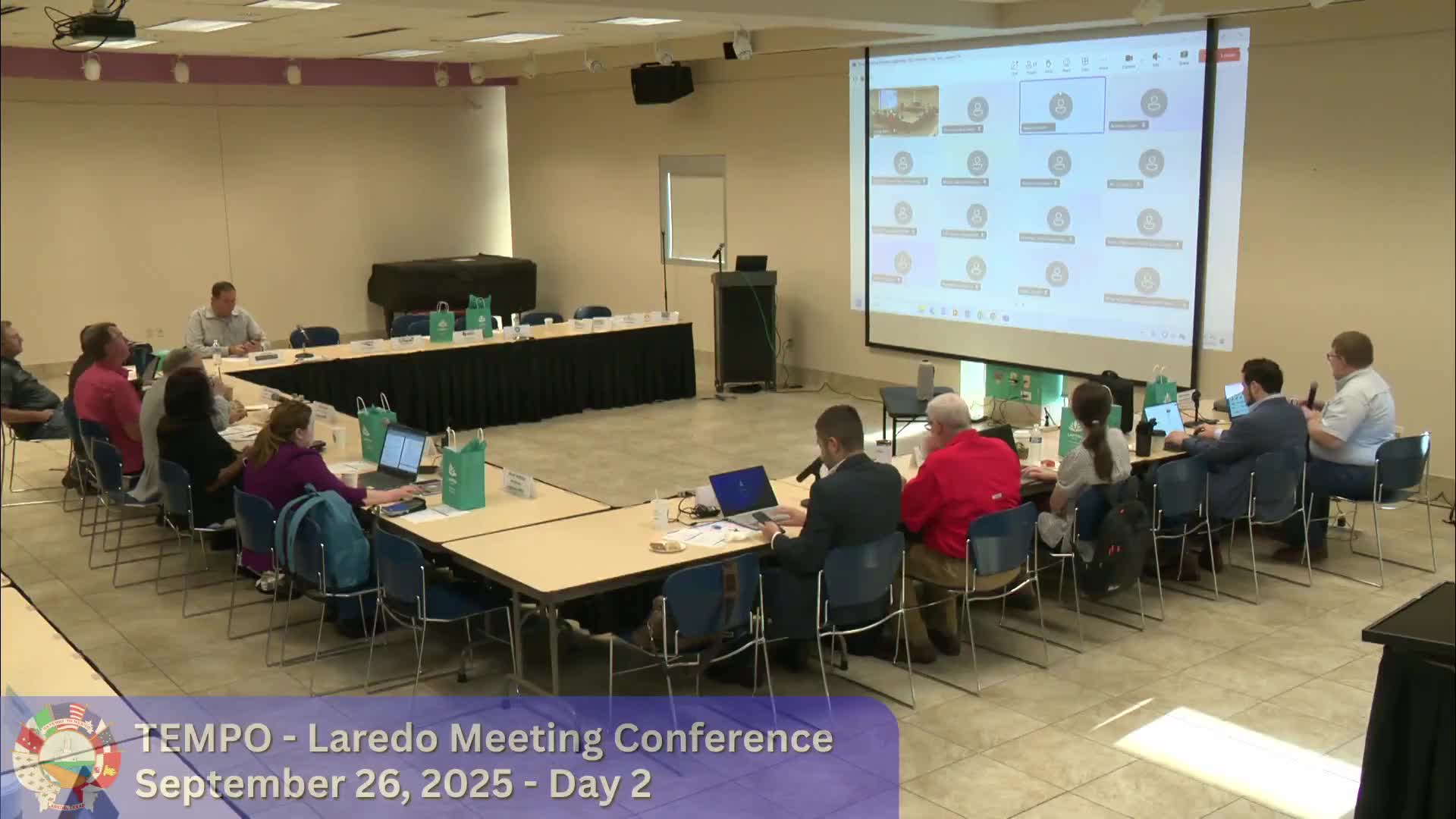
Carus said the coalition of MPO organizations has spent about 18 months refining policy priorities and coordinating submissions into congressional portals; he said “they are moving fast.” The coalition’s priorities include shifting more formula funding and decision-making capacity toward local entities, expanding categorical exclusions to shorten reviews, streamlining competitive programs for small areas, and easing match and carryover restrictions that delay project delivery.
Why it matters: reauthorization will set funding rules, program structure and permitting timelines that affect which projects get built and when. AMPO and the LOT coalition want a larger share of funding and clearer, faster processes so local projects can be delivered sooner, Carus said.
Carus summarized recent activity: he said House Transportation and Infrastructure Committee Chairman Garret Graves has characterized reauthorization as likely to be a bipartisan, member-driven process and that the House may release bill text in the coming weeks. He also said the administration is preparing legislative text of its own. AMPO has been meeting with House and Senate staff and coordinating with allied organizations, including AASHTO, NARC and others, to pursue a package acceptable to multiple stakeholders.
Carus flagged a separate development: the American Public Transportation Association (APTA) has advanced a policy proposal that would change MPO board structure related to transit representation and ask FTA and FHWA to establish an appeals process allowing transit operators to challenge MPO decisions. That proposal drew concern from Carus, who said AMPO and its partners are tracking and discussing the idea with counterparts.
AMPO’s priorities listed to congressional staff include transparency and accountability in project selection, stronger project delivery and readiness, and targeted support for rural areas. Carus said MPOs are also asking for consolidated competitive programs where possible and adjustments to match requirements to help smaller areas compete.
Meeting participants thanked AMPO for the briefing and for opportunities to submit priorities through portals. Clay and other attendees offered brief praise for the presentation and AMPO’s work.
Carus closed by inviting attendees to follow up with him or his colleague Katie for technical questions or to get involved in the coalition’s work.
Don't Miss a Word: See the Full Meeting!
Go beyond summaries. Unlock every video, transcript, and key insight with a Founder Membership.
30-day money-back guarantee
Sponsors
Proudly supported by sponsors who keep Texas articles free in 2026

