
Council creates pilot housing court division to speed enforcement of property standards
Get AI-powered insights, summaries, and transcripts
Subscribe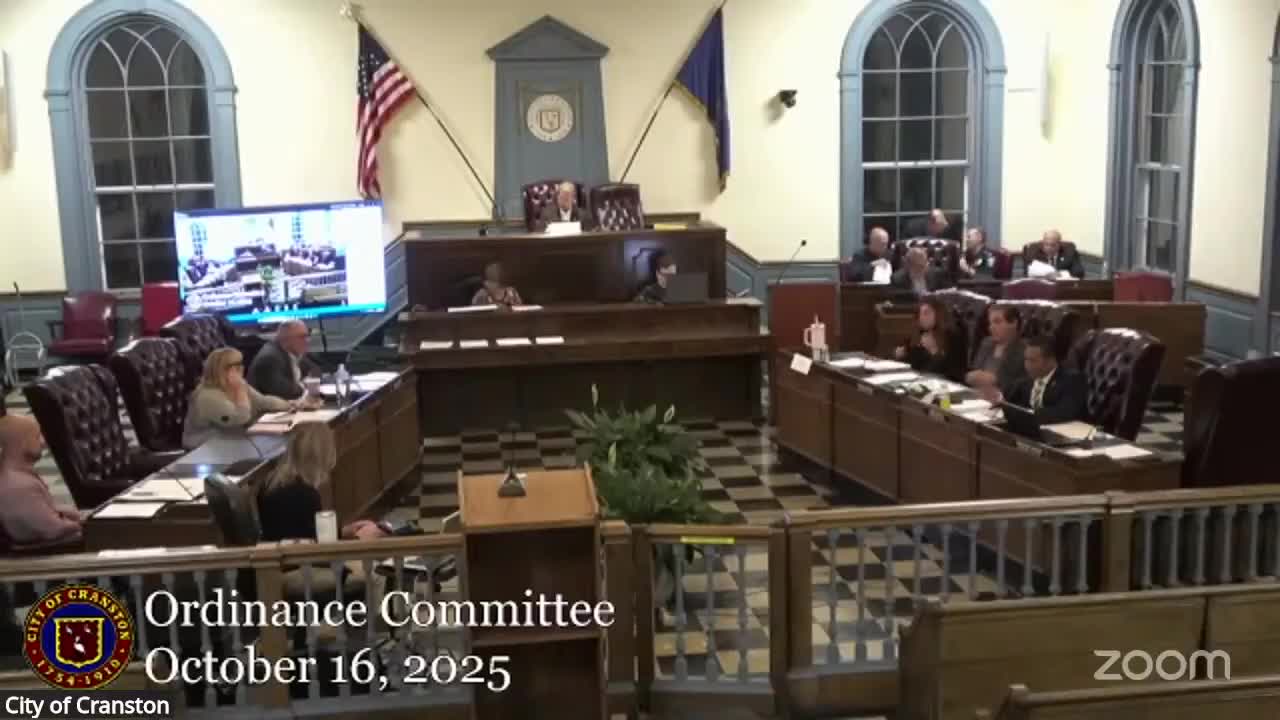
Summary
The City Council approved an ordinance to create a housing-court division within municipal court as a pilot program; sponsors and the administration said it should speed enforcement of housing and property violations and could offset its costs with fines, while some council members and residents urged caution and noted fiscal questions.
The Cranston City Council voted Oct. 16 to create a pilot housing-court division within the municipal court intended to speed enforcement of housing and property-code violations.
Sponsors described the proposal as a pilot designed to give inspectors more enforcement tools and to generate revenue through fines to offset part-time staff costs. Council supporters said the court aims to address long-neglected properties and reduce repeat blight in neighborhoods.
The ordinance establishes a dedicated housing docket and provides for part-time inspectors, clerical help and judges serving on the court; sponsors said judges would initially serve on a volunteer or part-time basis and that the program would be reviewed in the next budget cycle. The city finance director provided a fiscal note estimating approximately $32,000 in first-year operating costs offset by projected revenue from fines; the ordinance lists further staffing and expense details.
During public comment Attorney Robert Murray and other residents urged the council to review legal and fiscal implications — including whether the current municipal code language properly covers outdoor conditions — and to consider whether more inspector staffing could address backlog without creating a new court. Council members asked the municipal court chief judge about capacity; judge Coia later told council members he is "cool with it" and will cooperate to implement the program if it passes.
Council debate included requests for periodic reporting. Sponsors and the administration said the new process will be a trial and can be adjusted; supporters said it will speed enforcement for homeowners whose neighborhoods suffer from nearby derelict properties. Opponents and some council members requested more time for legal review; one council member voted against the ordinance at final roll call.
Why it matters: the measure centralizes housing enforcement to shorten the time between citation and remedy, a frequent constituent complaint, and it carries potential fiscal and staffing implications the council will reassess during the next budget process.
Council action: ordinance approved by roll call on Oct. 16; council directed that the program be monitored and reviewed as a pilot.