Get Full Government Meeting Transcripts, Videos, & Alerts Forever!
Get email alerts on the Early Childhood Preschool Mtss topic
No spam. Unsubscribe anytime.
Mercer County presents preschool, early‑childhood and MTSS plans; families and staff describe gains
Summary
Mercer County educators and parents described progress in the district preschool, detailed plans for early‑childhood outreach and summer literacy work, and outlined the school’s use of an MTSS framework to track and support students.
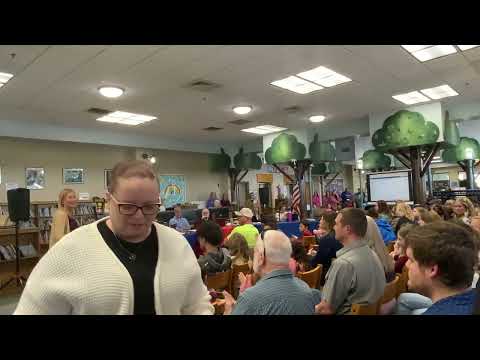
Mercer County preschool and elementary staff outlined the district’s early‑childhood services and its multi‑tiered system of supports at a Board of Education meeting, saying the programs aim to identify delays early and reduce barriers that keep children from classroom success.
Cara Doyle, Mercer County Preschool Program coordinator, told the board the program currently serves 177 students and includes early‑intervention supports, means‑tested tuition slots and a wrap‑around preschool program that coordinates with local day‑care providers. Parents who spoke at the meeting credited preschool staff and onsite speech therapy with dramatic gains for individual children.
Jeri Lee Grubbs and other preschool teachers presented family testimonials during the elementary school presentation. One parent, Jenny Stamps, described a son who entered the preschool with a speech delay and, after one month, began using dozens of words and two‑ to three‑word phrases. Another parent, Britney Chase, said staff created a sense of safety and trust and credited teachers and the speech therapist with marked progress.
Jordana Gray, Mercer County female resource center coordinator, outlined district efforts to expand supports beyond preschool. Gray said the district has applied for an AmeriCorps position (she said the slot would be funded by AmeriCorps with the district paying a share of the grant) and is pursuing a half‑time placement focused at least 50% on literacy with the remainder supporting a after‑school care/homework club if approved.
Gray also described summer literacy plans coordinated with the public library, including daily 15‑minute reading goals, a book club for incoming second graders, guest readers for incoming first graders, and tutoring options to help students maintain or reach grade level. She said the district hopes to offer library check‑outs and AR testing for participating students.
On districtwide academic supports, a presenter described the district’s use of an MTSS (multi‑tiered system of supports) framework for academic, behavioral and social‑emotional support. Universal screeners (i‑Ready reading and math) and follow‑up diagnostics (FastBridge) are administered three times per year, the presentation said. Families are notified when students are placed in Tier 2 or Tier 3 interventions and a standardized MTSS form is used to document plans and parent contact; the district also uses an “intervention” tab in its campus system to track entry and exit from tiers.
The presentation noted related local efforts: Cradle School outreach that reaches roughly 36 families through three classes and periodic visits to local day‑care centers, and ongoing collaborative work with a regional early‑childhood council. Gray encouraged more family engagement events with child‑care centers to raise awareness about kindergarten readiness and early milestones.
District staff provided printed brochures and invited board members and families to contact them with questions or to review the MTSS materials in detail.