Students press board on bilingual programs, curriculum and special-education funding
Summary
High school students used a regular board meeting Q&A to ask about expansion of two-way bilingual programs, how curriculum is selected, and how the district supports students with IEPs and 504 plans; trustees and staff described ongoing curriculum adoptions, inclusive-practice work and limits of state funding for special education.
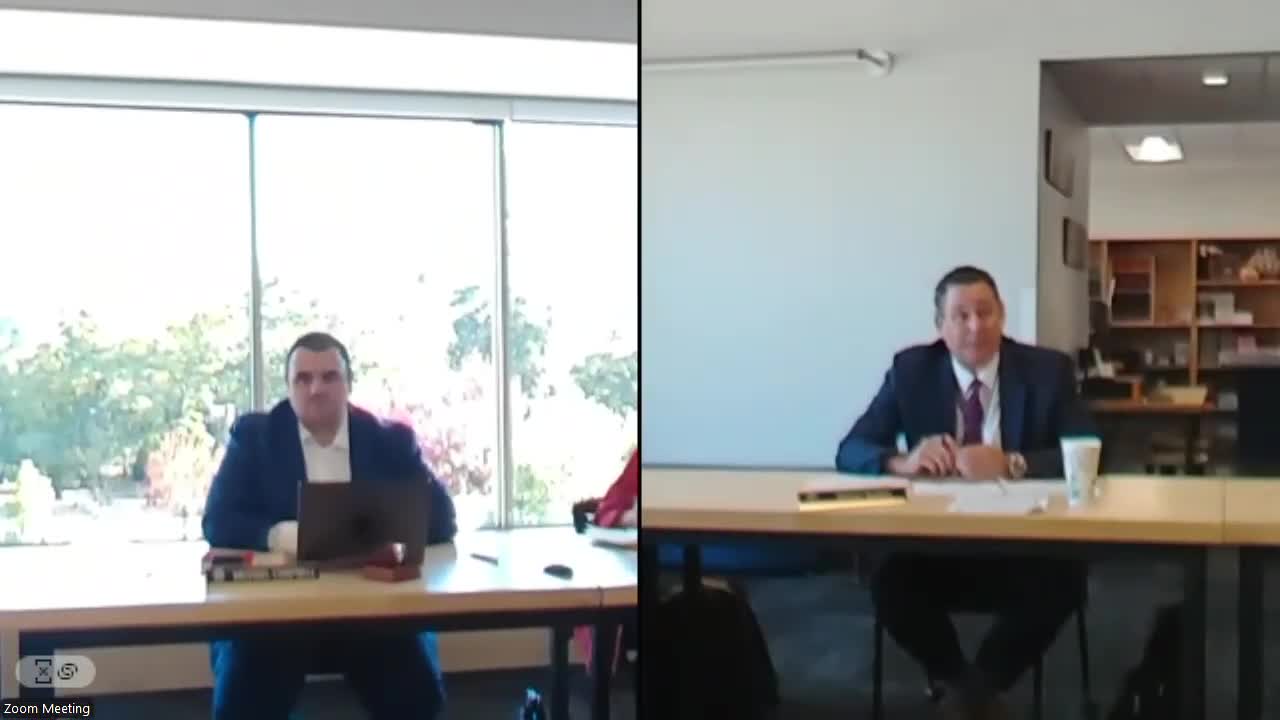
Students at Phoenix High School used the district's student question-and-answer segment to press board members and administrators on program access, curriculum clarity and services for students with disabilities.
On bilingual education, a student asked whether the district plans to expand two-way immersion from elementary schools into middle and high school tracks. Superintendent Brent Berry said the district values its long-standing two-way immersion program and is looking to expand secondary-level bilingual offerings "to make sure we have staff to provide that instruction at the secondary level and definitely feel proud of that program." The district currently offers two-way immersion strongly at the elementary level and related bilingual opportunities at middle and high school in subject-area classes and advanced language courses.
Students also asked about curriculum quality and classroom rigor. Staff told the group the district is in its third year of a new reading curriculum and is preparing to adopt updated social studies materials for a multi-year cycle that will include middle- and high-school pathways. Curriculum leaders said new adoptions focus on standards alignment, culturally relevant materials and teacher professional development.
Special education funding and services drew sustained attention. Administrators and board members explained that Oregon funds special education based on an 11% statutory funding assumption, but local special-education service levels are higher. Board members and staff said the district's special-education population is roughly 17% (district-wide), creating an unfunded gap between the state's formula and actual local need. Board members encouraged students to participate in advocacy and to connect with student representatives when they want to raise issues at the state level.
Why it matters: Students' questions highlighted day-to-day impacts—how programs reach secondary students, how teachers are trained on new curriculum, and how the district balances service needs against limited state funding for special education.
What the district said: District leaders described recent investments in professional development, adoption processes led by the curriculum office, and a move toward more inclusive classroom practices. The board noted ongoing advocacy in Salem for increased special-education funding and encouraged students to use student-representative channels and public testimony to amplify concerns.
Next steps: Staff said the curriculum office will continue rollout and training for the adopted reading program, will convene teachers to evaluate social-studies options this year, and will provide information for students and families about bilingual pathway planning. On special education, the board said it will continue legislative advocacy to align funding with local service levels.