Staff, faith leaders and educators urge continued funding for county migrant-education coordinator
Loading...
Summary
School and community leaders praised Michelle Palayo's role supporting migrant families, saying her work ensures legal compliance, student continuity and family engagement; staff said federal funding for the position is year-to-year and may be at risk after this school year.
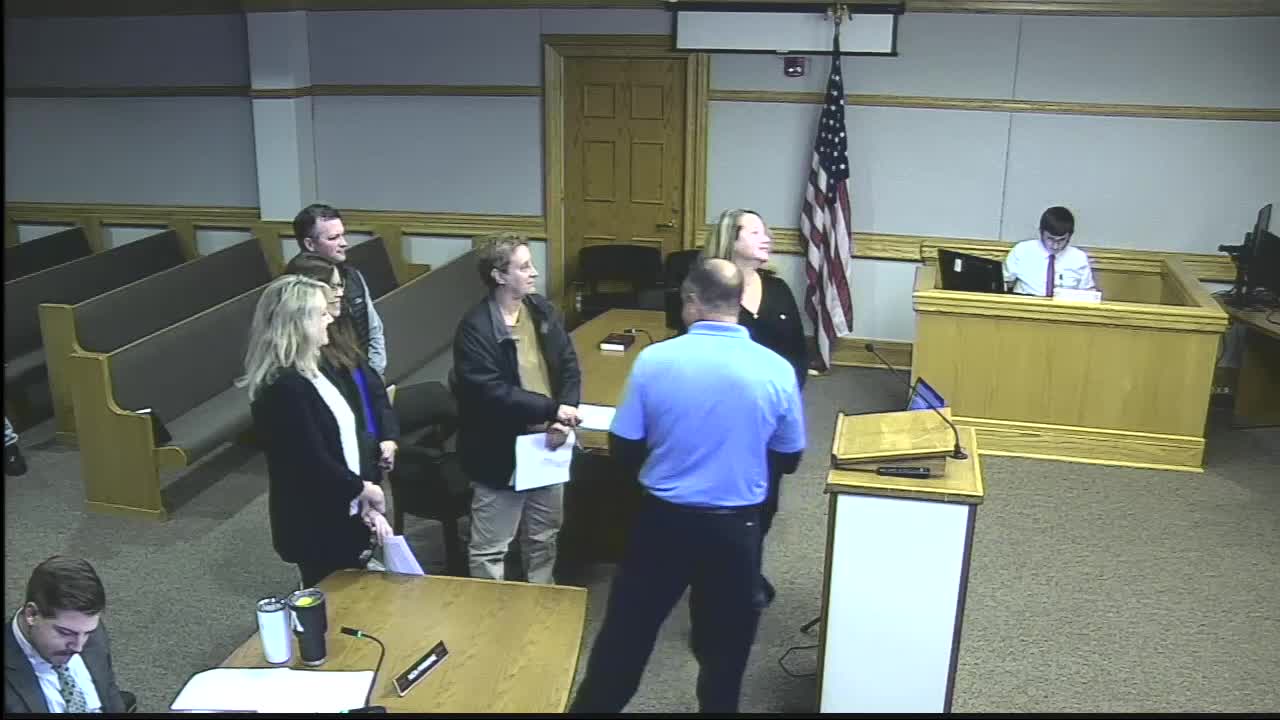
Educators, faith leaders and county staff told the Ashe County Board of Commissioners on Oct. 20 that Michelle Palayo — the county's migrant-education coordinator employed by Ash County Schools — performs essential duties that go beyond interpretation, including enrollment, IEP interpretation, compliance, tutoring coordination and community outreach.
"Her work promotes family engagement, a key factor in student attendance, behavior and achievement," Carrie Richardson (Ash County Schools) said during remarks prepared for the meeting. Several speakers described Palayo as a trusted liaison who enrolls children, ensures compliance with federal programs and follows up with families when students move between states.
Palayo's role, school officials told the commissioners, is funded through federal Title I (Part C) funds and other federal program mechanisms that are awarded year to year. School staff said the position helped reduce migrant-student dropout rates and made it easier for transient students to earn credits that transfer between districts. Michael Lee, a pastor, and Elizabeth Hernandez, a community member, described Palayo's role in outreach and said losing the position would harm families and local agricultural employers who rely on seasonal labor.
School staff said federal funding was available this year but indicated it may be at risk for the next school year. Commissioners and speakers discussed exploring local or philanthropic options to retain the position if federal funds are reduced or eliminated. The board did not take a funding vote at the meeting but accepted the presentation and comments of support.