Get Full Government Meeting Transcripts, Videos, & Alerts Forever!
Get email alerts on the Compensation Ordinance topic
No spam. Unsubscribe anytime.
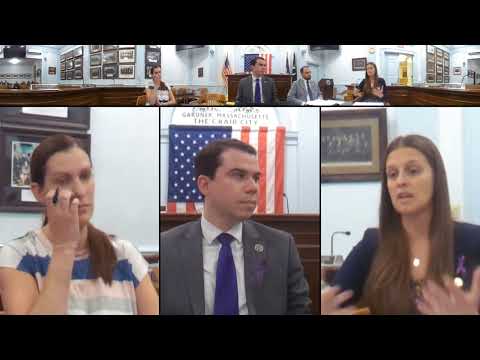
Gardner City committee opens work to draft compensation ordinance for nonunion employees
Summary
An ad hoc Gardner City committee convened at 7 p.m. Monday, Oct. 6, to begin organizing a proposed compensation ordinance for the city’s nonunion employees, members said.
An ad hoc Gardner City committee convened at 7 p.m. Monday, Oct. 6, to begin organizing a proposed compensation ordinance for the city’s nonunion employees, members said.
The committee agreed to use proposals from the mayor and the finance committee as starting points, seek legal guidance on what can be included in an ordinance, and return for another public meeting at 6 p.m. Oct. 20 in the council chamber.
“The salary ordinance needs to be addressed,” Councilor Kazinski said, urging the group to move the work forward and avoid further delay. Members described the session as organizational and preliminary but stressed the need for detailed review and public transparency because of the proposal’s potential budget implications.
“This is just a really big vote. It’s really important,” Councilor Kazinski said, noting the plan could amount to a multimillion-dollar adjustment to the city budget and that committee members should bring questions and research to future meetings.
Councilor Hagen emphasized the range of employees affected and the need to consider staff at all levels: “I think there’s 50 or so employees,” she said during the meeting and later referenced a figure of “82,” indicating the committee was still clarifying how many positions would be covered.
“I'm very confident we can create something that's gonna work for the city and the employees,” Director Martin said, expressing staff support for a collaborative drafting process.
Committee members agreed the ordinance ultimately will require more than a simple majority to pass the full council. “It would need a super majority of the council to pass moving forward … it would need eight votes,” the mayor said, noting the city council’s voting threshold for salary adjustments.
Members also discussed legal limits on the committee’s scope and the need to avoid executive-session personnel matters while drafting a compensation ordinance that applies citywide. The mayor said he invited attorney Tony Pusateri to join the ad hoc committee for his municipal-law experience and to advise on what may be included in a public ordinance.
The group set its next meeting for 6 p.m. Oct. 20 in the council chamber. At the close of the meeting, Councilor Kazinski moved to adjourn; Councilor Hedlund seconded the motion, which carried on a voice vote.
The meeting was audio and video recorded for minute preparation and later publication, and committee members said future sessions will be publicly posted and open under the state open-meetings law.
Next steps identified by members included comparing elements of the mayor’s and finance-committee proposals, compiling research on preferred provisions, clarifying the exact number of positions affected, and returning with questions and suggested language at future publicly posted meetings.