Get Full Government Meeting Transcripts, Videos, & Alerts Forever!
Get email alerts on the Administration Of Justice topic
No spam. Unsubscribe anytime.
Commission delays code changes on quasi‑judicial standing after lengthy debate over public participation and legal exposure
Summary
An ordinance amending quasi‑judicial procedures to require the commission to determine aggrieved‑party standing was continued after commissioners voiced concerns about limiting public input and asked for a case‑law brief.
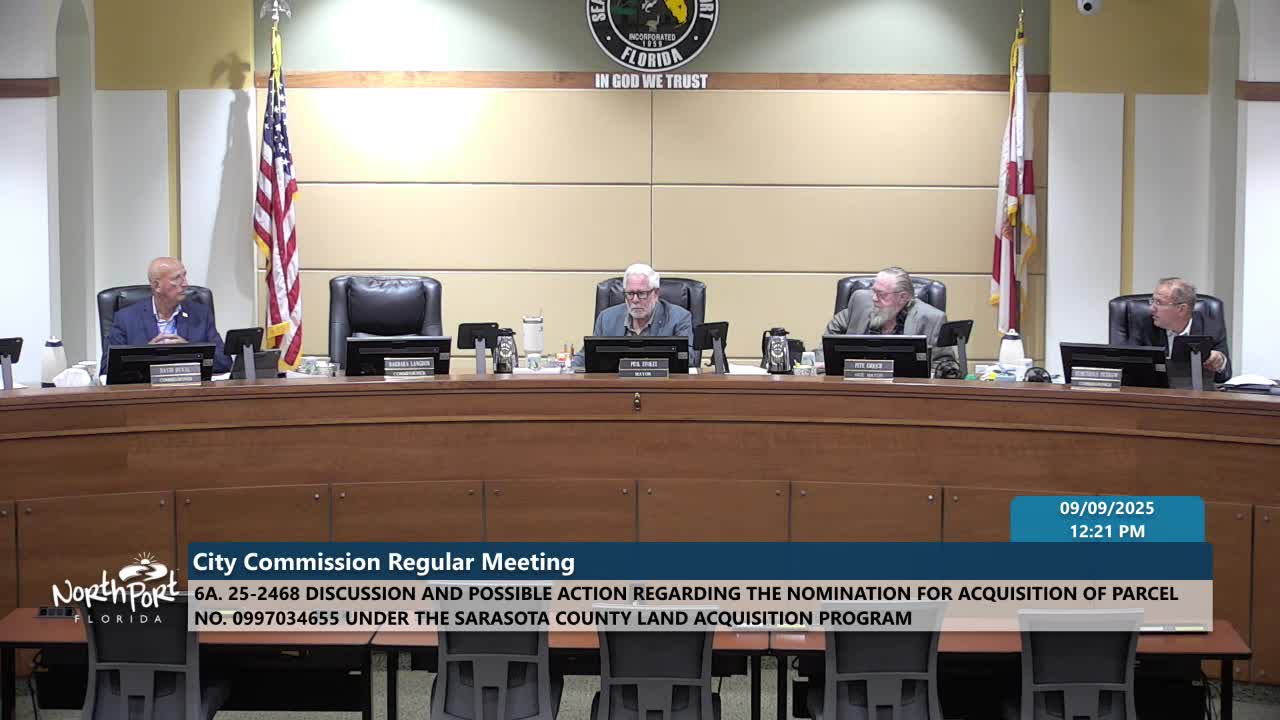
The City Commission on Sept. 9 paused consideration of proposed amendments to the city code that would revise quasi‑judicial proceeding procedures and establish a formal process for determining whether a member of the public qualifies as an "aggrieved party" with enhanced participation rights.
Why it matters: The draft ordinance would change when and how the city determines standing for parties seeking aggrieved‑party status in land‑use and other quasi‑judicial hearings. Staff and the city attorney argued the change would reduce legal exposure and streamline hearings; commissioners and some members of the public warned it could limit expert testimony and citizen participation if applied too narrowly.
What staff and legal counsel said: Assistant City Attorney Caitlin Coughlin and Deputy Director Laurie Barnes described the revisions as intended to align the city’s procedures with controlling case law and to require a standing determination early in quasi‑judicial hearings. Coughlin said the ordinance would permit the body to examine whether a requester is affected "more than the average citizen" and that the current process left standing unchallenged until circuit court appeals. Barnes said making standing determinations locally would reduce legal exposure because courts typically defer to procedural determinations made in the administrative hearing when properly documented.
Commissioners’ concerns: Several commissioners voiced concern about narrowing public participation. Commissioners asked whether the change would prevent technical experts or interested residents who are not within the notification radius from offering useful testimony. The mayor and others emphasized that the commission may grant extended time for public comment on specific items, but raised questions about who defines the criteria for standing and whether it would be applied consistently.
Public request for more information: Commissioners asked the city attorney’s office to provide a written brief of the case law underpinning the standing criteria and noted they may revisit the ordinance after reviewing that material. The draft ordinance was continued to Sept. 23 so staff could supply the requested legal memorandum and clarify procedural details.
Next steps: Staff will provide the commission a packet with relevant case law, a plain‑language explanation of the standing criteria as written, and suggested procedural safeguards to preserve robust public input where appropriate.