Get Full Government Meeting Transcripts, Videos, & Alerts Forever!
Robbinsdale board studies Vision 2030 and statutory operating-debt plan; staff outline elementary and middle-school consolidation options
Summary
District staff presented two high-level consolidation options Monday as part of Phase 1 of the Vision 2030 statutory operating-debt plan, proposing to reduce the non-magnet elementary footprint to five or six schools and middle schools to one or two buildings while keeping magnet programming intact for 2026–27.
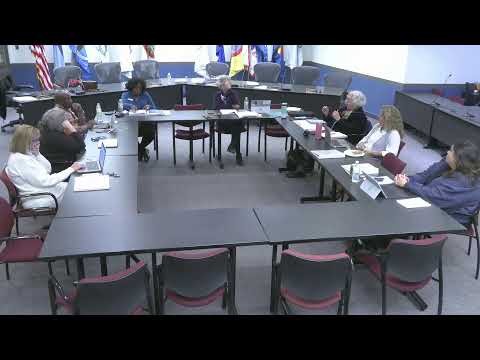
Robbinsdale Public School District administrators and board members spent the study session portion of Monday’s meeting focused on Phase 1 of the district’s Vision 2030 statutory operating-debt (SOD) work plan, which centers on reducing the district’s building footprint to align facility capacity with current and projected enrollment.
Staff presented a packet of new materials, including a strategic plan summary, an “equity magnifier” guidance sheet and enrollment heat maps that compare students living inside school attendance areas with actual school enrollments. Administrators said the district currently has more building capacity than enrollment requires and that building operations are a major driver of the operating costs the SOD plan aims to reduce.
Two high-level consolidation options were shown as starting points for board discussion. Both options assume retaining existing magnet programs for 2026–27 but would reduce the number of non-magnet elementary schools to five or six and reduce middle schools to one or two non-magnet facilities. In both scenarios staff proposed taking Robbinsdale Middle School (RMS) offline as an instructional site while retaining the property, removing the Education Service Center (ESC) from the operating portfolio, relocating some central offices to other sites (proposed locations included the Crystal Learning Center and usable classroom space in existing buildings), and moving the community education office to CLC.
Key details and…
Already have an account? Log in
Subscribe to keep reading
Unlock the rest of this article — and every article on Citizen Portal.
- Unlimited articles
- AI-powered breakdowns of topics, speakers, decisions, and budgets
- Instant alerts when your location has a new meeting
- Follow topics and more locations
- 1,000 AI Insights / month, plus AI Chat