Get Full Government Meeting Transcripts, Videos, & Alerts Forever!
Get email alerts on the Tax Certificate Process topic
No spam. Unsubscribe anytime.
Bay County tax collector outlines tax-certificate sale process to CRA board
Summary
Tax Collector Chuck Purdue briefed the CRA on the tax certificate sale process, explaining timelines, investor bidding on interest rates, county strike-off for unsold certificates and the seven-year expiry of struck certificates.
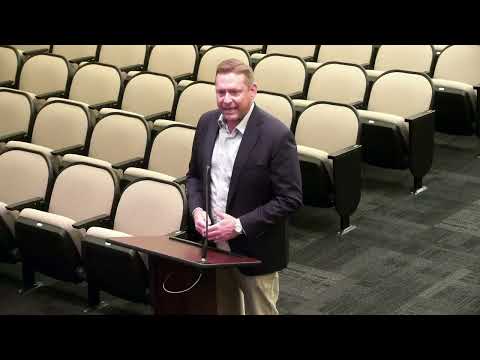
Chuck Purdue, Bay County Tax Collector, briefed the Panama City CRA on the county’s tax certificate and tax deed process, answering board questions about investor participation, unsold certificates and how liens are resolved.
Purdue described the typical timeline: property appraisals generate tax bills in October–November, discounts apply for early payments, delinquent notices go out after March 31, and tax certificates are offered for sale on June 1. Investors bid on the interest rate on outstanding taxes; the bidding starts at 18% and is bid down to a statutory minimum of 5%.
Purdue said the county typically sells 97.5% of certificates in a year; certificates that do not sell are “struck” to the county and the county holds those certificates at the statutory 18% interest. If a certificate remains unpaid and struck to the county, the county accrues the interest and the certificate can expire after seven years, at which point any lien is removed and the property owner becomes free of that certificate. Where tax certificates contribute to a potential tax-deed application, the Tax Collector’s Office works with the clerk of court to auction that property in accordance with the clerk’s procedures once the tax deed application process is initiated.
Board members asked several practical questions: whether partial payments are accepted (Purdue answered no); how often unsold certificates are struck to the county (rare; roughly 50–60 of about 5,900 last year); and whether liens recorded by a city or private party remain enforceable if a certificate is struck to the county (Purdue said liens remain enforceable for seven years and payments applied per owner instruction). Purdue noted most certificates that are struck to the county are on small-dollar bills or on undesirable parcels (wetlands, contamination) that private investors will not buy. He also said the county rarely pursues tax deed applications on properties where doing so would be poor business for the county.
Purdue’s overview drew on standard statutory procedures and was presented at a high level to help the board understand how tax certificates, strikes to the county and the seven-year expiry can affect city code-enforcement and lien recovery efforts.