
Champaign County board proposes one‑year use of public‑safety sales tax to avoid across‑the‑board FY26 cuts
Get AI-powered insights, summaries, and transcripts
Subscribe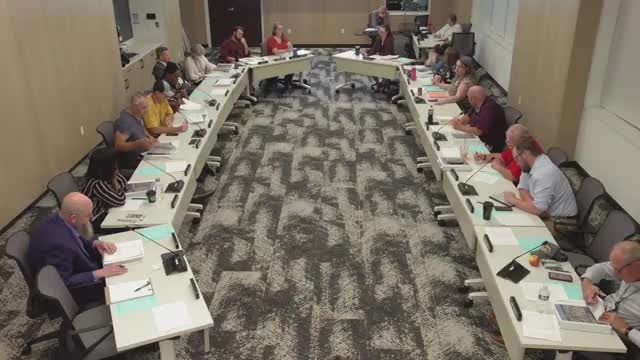
Summary
The county’s finance leadership told the board it could keep the fiscal 2026 general fund budget flat by transferring roughly $1.77–$2.0 million from the public‑safety sales tax fund; members expressed support but also flagged risks to reserves and cash flow and asked staff for a detailed follow‑up plan.
Finance Committee Chair Ellie Hanauer Friedman proposed using public‑safety sales tax (PSST) receipts to “keep the fiscal year 26 budget flat,” presenting an option the committee’s leadership said would avoid immediate across‑the‑board cuts while giving the board time to craft targeted reductions for FY27.
The proposal would move roughly $1.77–$2.0 million from the PSST fund into the general fund to eliminate a projected FY26 shortfall that Hanauer Friedman said stood at about $1.8 million as presented at the meeting. "We'd like to have a thoughtful process on that," Hanauer Friedman said, arguing that leaders should avoid a rushed, uniform percentage cut and instead work with department heads on department‑specific plans.
The plan drew broad but cautious support. Several board members, including Chair Lock and Vice Chair John Farney, said they preferred postponing automatic across‑the‑board reductions in favor of the PSST transfer as a one‑year “band‑aid” that would create time for detailed study. "I support not making across the board 3% cuts this year," Lock said. Finance staff and other board members pushed back on the plan's risks: county staff cautioned that PSST carries both restricted and unrestricted balances and that drawing it down reduces a cushion used in past years to cover payroll timing issues.
Travis (county budget staff, name on file) answered detailed questions about the numbers and said shifting the board’s planned transfer would raise the general fund balance ratio to approximately 20.99% under the flat‑budget scenario, and that the PSST unrestricted balance would be left with about $2.6 million after the transfer. Board member Miss Portado warned that prior timing mismatches have required the county to use PSST to cover cash‑flow needs and urged preserving a larger balance than the policy minimum. "There have been times...where public safety sales tax actually had to be used to cover cash flow issues," she said.
Members directed staff to proceed with the approach that would bring the FY26 deficit to zero (the working number presented was $1,774,000) rather than a fixed $2,000,000 transfer. The board gave informal consent—expressed through a thumbs‑up direction at the meeting—to pursue that option while scheduling further work: department‑by‑department conversations, a timeline for study sessions, and follow‑up analyses on how the transfer would affect long‑term PSST capacity and bond ratings.
Why it matters: The transfer avoids abrupt service reductions in FY26 but reduces a fund that county officials use for large public‑safety projects and cash‑flow contingencies. Several members said they accepted the short‑term tradeoff so the board could develop a clearer, multi‑year structural plan for FY27 rather than make hasty cuts that could require rehiring or further transitions later.
Next steps: Staff were instructed to (1) prepare an updated fund‑balance calculation reflecting the exact transfer needed to eliminate the FY26 deficit; (2) provide department‑level revenue/expense breakdowns and a timeline for study sessions; and (3) detail the projected effect on PSST over succeeding years and any likely impact on future debt ratings if new bonding is contemplated.