Citizen Portal

Witnesses back raising SSI asset limits, highlight ABLE accounts and marriage rule for disabled adult children

5881504 · September 12, 2025

Get AI-powered insights, summaries, and transcripts

Subscribe
AI-Generated Content: All content on this page was generated by AI to highlight key points from the meeting. For complete details and context, we recommend watching the full video. so we can fix them.

Summary

Panelists and members described the $2,000 SSI asset limit as an obstacle to employment, praised ABLE accounts for enabling savings, and supported bills to raise asset thresholds while noting that Disabled Adult Children (DAC) lose benefits on marriage under current law.

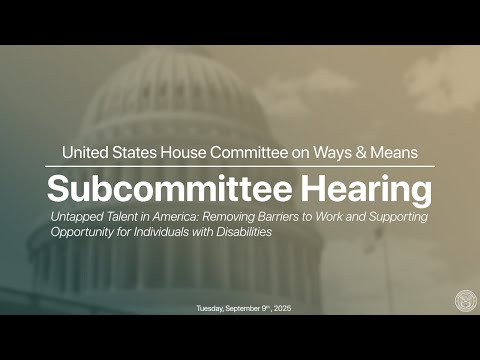
WASHINGTON — At a House Ways and Means hearing, witnesses and members described how strict asset rules and marriage penalties affect beneficiaries’ financial security and deter work.

What was discussed: Several witnesses identified the SSI individual asset limit of $2,000 as a major barrier. Tracy Thomas Groeninger of Justice in Aging and Representative Danny Davis argued that the low cap discourages savings for emergencies and complicates SSA administration. Sean Tyree, who testified about his experience obtaining work and saving through an ABLE account, said the ABLE program was “critical” for buying items such as a reliable vehicle and assistive technology that often cost more than $2,000.

Legislative proposals: Members highlighted the SSI Savings Penalty Elimination Act, introduced by Representatives Fitzpatrick and Davis, which would raise the SSI asset limit; multiple speakers said it enjoys broad support among advocacy groups. Representative Jimmy Panetta introduced the Marriage Equality for Disabled Adults Act (entered into the record during the hearing), which would prevent Disabled Adult Children (DACs) who marry from automatically losing Social Security, Medicare and Medicaid benefits. Witnesses and members supported congressional action to remove disincentives to marriage and saving.

Medicaid protections and ABLE accounts: Witnesses discussed 1619(b) protections for Medicaid continuity when earnings rise and urged clearer, consistent thresholds across states. Tyree described ABLE accounts under the federal Achieving a Better Life Experience Act as allowing tax‑advantaged savings “without losing essential benefits,” and several members urged wider outreach so beneficiaries know how to use these tools.

Ending: Panelists told the committee that modest statutory changes — higher asset limits, ABLE enhancements and repeal of marriage penalties for DACs — would reduce program frictions, lower administrative work for SSA, and help beneficiaries pursue work without fearing loss of essential supports.