Get Full Government Meeting Transcripts, Videos, & Alerts Forever!
Get email alerts on the Student Wellness topic
No spam. Unsubscribe anytime.
School counselor urges students and adults to prioritize self-care, highlights 988 resource
Summary
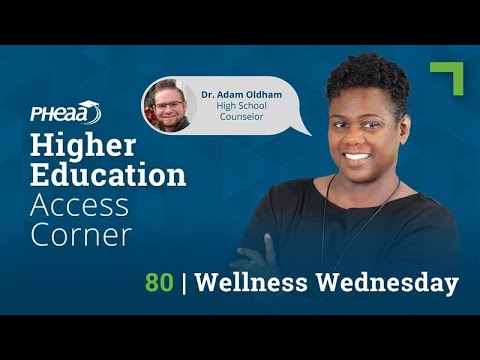
On the Higher Education Access Corner podcast, host Tiffany Dedan and Dr. Adam Oldham, a high school counselor and 2024 Pennsylvania School Counselor of the Year, discussed practical self-care habits for students and adults, school-based supports and the national suicide-prevention resource 988.
Tiffany Dedan, host of the Higher Education Access Corner podcast, interviewed Dr. Adam Oldham, a high school counselor at Big Spring High School in Cumberland County, Pennsylvania, about self-care practices for students and adults and where to seek help for mental-health crises. The conversation covered daily routines, technology limits, school supports, journaling and the national suicide-prevention lifeline, 988.
Why it matters: Mental-health experts and educators say routines, clear boundaries and accessible supports can reduce burnout and help students complete school and transition successfully to adulthood. September is National Suicide Prevention Month, and the episode highlighted immediate resources for people in crisis.
Dr. Adam Oldham described self-care as a practical habit rather than indulgence. "You can't pour out of an empty cup," he said, urging listeners to prioritize mental, social and physical wellbeing alongside academic and career planning. Oldham, introduced on the podcast as the 2024 Pennsylvania School Counselor of the Year, said counselors work to help students develop routines and leisure activities that recharge them rather than add stress.
Oldham recommended concrete steps students and adults can adopt: schedule short, dedicated work periods at home followed by planned breaks; use smartphone settings to limit time on specific apps; and select activities that bring genuine joy rather than filling every spare minute with obligations. He described a school practice called the Lehi Lounge — an open classroom with Legos during flex periods — and mentioned other clubs such as a Dungeons & Dragons group as low-pressure ways for students to connect.
For students resistant to disconnecting from devices, Oldham suggested incremental limits. He said phones can be set to prompt or lock access after a chosen amount of time and recommended framing device use so it serves leisure rather than fragments the day. "If I'm gonna do something tech related, I'm gonna sit on the couch and watch a show with my family or a friend," he said, describing choices that make screen time more restorative.
Dedan and Oldham also discussed journaling as a low-cost, private tool for reflection. Oldham noted apps that gamify journaling and provide prompts for those who prefer digital tools.
Acknowledging that some struggles require more than routine changes, Oldham advised anyone experiencing severe distress to seek immediate help. "If you're struggling, you can go talk to your school counselor at school," he said, adding that people who prefer not to speak in person can call or text 988 for confidential support. He emphasized that asking about a friend's possible self-harm does not put the idea in their head and encouraged bystanders to seek help for worried peers.
The hosts also noted that school counselors can help with nonclinical issues related to college and career planning; Oldham said he has been sharing information from a recent Penn State Harrisburg training with seniors preparing for postsecondary steps.
The episode closed with Oldham urging students to reach out: "Our job is literally to maximize your success, and that isn't just getting straight A's. That's also making sure your school experience is something you enjoy." Dedan thanked Oldham for joining the podcast and reiterated the 988 resource for immediate crisis support.
For students and families: contact your school counselor for local supports and club information; call or text 988 for crisis counseling; use device time limits and scheduled transitions between work and leisure to reduce burnout.