Get Full Government Meeting Transcripts, Videos, & Alerts Forever!
Get email alerts on the County Budget topic
No spam. Unsubscribe anytime.
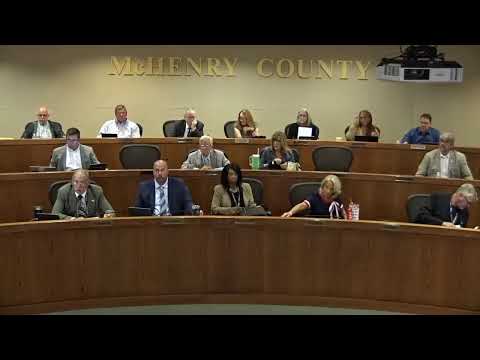
McHenry County board hears options to close $3.7 million FY26 budget gap
Summary
County finance staff presented a FY26 budget rollup showing a roughly $3.7 million general-fund shortfall and a menu of options — including a state three‑year levy "look back," using reserve funds and charging enterprise funds — as board members prepared for a two‑week budget workshop.
McHenry County officials presented the board with a fiscal 2026 budget update on Sept. 11 that shows a roughly $3.7 million shortfall in the general fund and outlines several options to close the gap ahead of a scheduled budget workshop in two weeks.
Carrie Wise, the county’s chief financial officer, said the budgets for all departments have been presented to liaison committees and rolled up for the full board, but that the county is “not in a really good position, financially.” Wise said the proposed FY26 general-fund expense total is $106.5 million, down slightly from the FY25 approved general‑fund expense of about $107 million, while the county’s 43 special‑revenue funds together total larger amounts and drive much of the change in the overall budget picture.
The update emphasized that the county’s general‑fund months of reserve have fallen from pandemic highs and that some special‑revenue funds are relying on the general fund for payroll. Wise said the county plans to use $1 million from a terminal reserve in the county’s benefit fund to reduce the near‑term budget gap.
Why it matters: the general fund supports most day‑to‑day county services, and a shortfall could force cuts to personnel, services or capital projects. Board members stressed that temporary fixes can have long‑term consequences and asked staff for options that both close the FY26 gap and limit harm to future budgets.
Key options discussed
- State three‑year levy "look back": Board members and staff described a statutory option that uses the highest levy from the prior three years as a new base. Finance staff estimated the look back could yield about $6 million this year (and roughly $4.7 million as a one‑time option next year, depending on actions taken this year). Mike Scala, chair of the Finance Committee, said the committee voted 5‑0 to move a related item (resolution 17B25) to the full board for discussion.
- Use of reserves: Wise identified a planned $1 million draw on the terminal reserve in the county’s benefit fund (used for health insurance stop‑loss/terminal reserves) to reduce the FY26 shortfall.
- Personnel and vacancies: The board discussed eliminating or holding vacancies. Staff provided that vacancies across departments represent nearly $4 million in unfilled salary lines; the budget memo used an average all‑in savings estimate of about $85,000 per eliminated general‑fund position for planning purposes.
- Chargebacks and enterprise fees: The county is proposing to more formally charge enterprise funds (notably Valley High and E‑911) for centralized services such as finance, HR and IT. The current budget already includes about $300,000 in chargebacks; staff estimated additional allocation could raise Valley High’s charges by a little over $500,000.
- Transportation and RTA options: Board members discussed moving squad‑car replacements to RTA or RTA‑like funding and eliminating non‑county RTA disbursements (an item cited at roughly $2 million in current RTA expenditures), though members noted policy tradeoffs and service impacts.
- Fee increases and other revenue: The board discussed raising rider fees for McRide/McConnect (staff suggested a 50% increase could shift $150,000–$200,000 from RTA sales tax to rider payments) and increasing health‑department fees (estimated at $150,000). Supplemental requests total about $1.2 million, some of which are software or one‑time items tied to ARPA and technology projects.
Board debate and direction
Several board members urged balancing short‑term steps against future impacts. “We have to always think about what is the remedy, if you will, for the future as well,” said Dr. Seager (board member), urging caution about temporary fixes that could worsen later budgets. Other members recommended a mix of actions — preserving levy options with an abatement if needed, holding select vacancies, and pursuing chargebacks and modest fee increases.
Carrie Wise and Finance Committee Chair Mike Scala answered detailed questions about property‑tax levies, special‑revenue fund restrictions and how reserves were calculated. Staff emphasized the timeline: the Committee of the Whole will hold a dedicated budget workshop in two weeks; that workshop should produce direction for the Finance Committee in October, which would prepare the budget for public display and a November board vote.
Decisions and formal actions
- Finance committee referral: Committee vote (finance) to forward resolution 17B25 to the full board was reported as 5‑0. That action moves the matter for fuller discussion but did not itself change the budget.
- Scheduling and next steps: The board scheduled a Committee of the Whole workshop on the budget in two weeks, with the expectation that Finance will develop recommended changes in October and the board will place a budget on public display before a November vote.
Quotes
“We’re not in a really good position, financially,” Carrie Wise said, summarizing the rollup and the need for board direction.
“We have to always think about what is the remedy, if you will, for the future as well,” Dr. Seager said, urging long‑term analysis of any short‑term fixes.
Votes at a glance
- Motion to allow Commissioner John Collins and Commissioner Eric Hendricks to attend remotely (voice vote). Mover: Pamela Althoff; second: Michael Shorten. Outcome: approved by voice vote (motion carried). Note: no roll‑call tally recorded in the meeting minutes.
- Motion to adjourn. Mover: Michael Scala; second: Larry Smith. Outcome: approved by voice vote.
What’s next
County staff will return with more detailed analyses at the Committee of the Whole budget workshop in two weeks; Finance will then use that direction to prepare a proposed budget for public display in October and a final vote in November.