
Rescue Union trustees review middle-school connectedness; principals report high participation and targeted steps to reach remaining students
Get AI-powered insights, summaries, and transcripts
Subscribe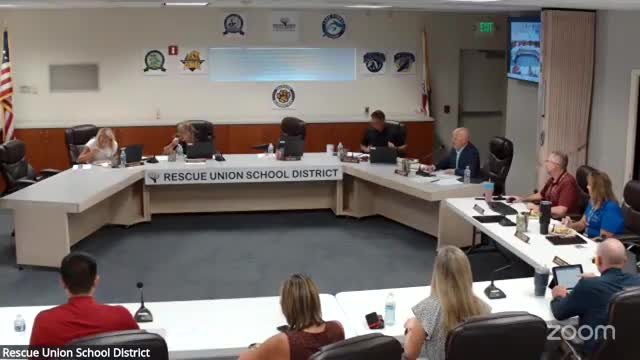
Summary
Superintendent Shoemake opened a board study session on middle‑school connectedness, saying "connecting kids to school is probably the most important way that we can measure how effective our system is being."
Superintendent Shoemake opened a board study session on middle‑school connectedness, saying "connecting kids to school is probably the most important way that we can measure how effective our system is being." Trustees and school leaders then reviewed participation and survey data, described practices that foster relationships, and identified several small changes to reach students who remain disconnected.
The Rescue Union School District presented the overview at the request of trustees, who asked for a focused conversation about whether district practices can close the gap between the many students who participate and a smaller group who report low connectedness. "We're approaching this from a we're doing a really good job ... and we're gonna share that with you," the superintendent told the board.
District and site leaders said the two middle schools enroll roughly 1,230 students total — about one‑third of the district's approximate 3,600 students — and report the following participation figures drawn from the presentation and appendix materials: about 608 students (49%) participate in middle‑school athletics; 463 students (38%) participate in year‑long programs such as band or student leadership; and roughly 100 students use garden‑club activities on a typical day. Principals and vice principals emphasized that the district lacks a reliable way to measure students who play competitive or private sports outside district programs (for example, club travel teams), and they noted transportation or family responsibilities also limit participation.
School staff described a mix of universal and targeted strategies intended to create and sustain relationships. Those include: regular site surveys (beginning‑of‑year and end‑of‑year plus a November pulse survey), wellness centers with counselors on both campuses, "matriculation" visits for fifth graders, peer mentor programs (sometimes called "web" or "Puma walk/day" at individual sites), and yard‑supervisor and teacher efforts to seat new students at lunch or introduce them to groups.
Vera, a site leader who described how staff manage referrals, said students who appear isolated or self‑report low connectedness are placed on a spreadsheet the schools call "You Have a Friend in Me." Staff record interests and recommended peer matches, then walk new students to a designated lunch table and follow up within a week to confirm the connection. "We've had two new students today, and they both left extremely happy because they knew exactly where to sit at lunch," Vera said.
Leaders also described a case management approach for students who indicate on surveys that they want an adult to check in; counselors and the district psychologist divide the list and log check‑ins, reporting back to site teams. The district said it has begun refining survey wording and timing after noticing response differences depending on when the survey is administered (for example, the schools moved one survey from the first day of school to four weeks into the year so students have had time to experience adults and routines).
Principals described several small, practical supports that changed student experience: one campus purchased a golf cart so staff could transport students on crutches between buildings; librarians run full lunch‑period library programs because demand is high; and some clubs and activities are staffed through Proposition 28 grants or other contracted instructors. The board was told both schools are largely staffed by on‑site personnel for clubs and lunch activities, except for a few programs run by contractors.
Trustees and staff discussed intramurals and lunchtime sports. Trustees recalled a previous multi‑year intramural pilot funded in part by Proposition 68; staff and trustees agreed intramurals can increase access for less outgoing students but noted past programs waned when signups did not convert to sustained participation and when staffing proved difficult. Staff suggested structuring intramurals as short, paid event stipends (for example, a six‑week dodgeball bracket) or running them as clubs that meet for a limited cycle, rather than as year‑long teacher commitments.
Board members suggested several changes the district will consider: standardizing key survey questions across sites (including adding a response to distinguish "I couldn't attend" from "I didn't want to attend"), reporting connectedness questions in the district's November data packet, and surfacing intentional items during annual board presentations so trustees can track site efforts over time. Superintendent Shoemake told the board the cell‑phone policy will be brought back for formal action in November to codify practices currently in place on campuses.
Trustees and administrators emphasized that most middle‑school practices are succeeding and that the conversation focused on finding modest, actionable improvements rather than broad reforms. "We have the utmost confidence in our middle school leadership and employees," one trustee said, while adding that the board wanted to ensure the district does not "miss that one" student who remains disconnected.
The board did not take formal action during the study session; trustees asked staff to refine survey wording, explore intramural/club staffing models, and include connectedness measures in the November packet so the board can review results and follow up.