
Families, advocates urge change to joint‑venture felony murder sentencing in Massachusetts
Get AI-powered insights, summaries, and transcripts
Subscribe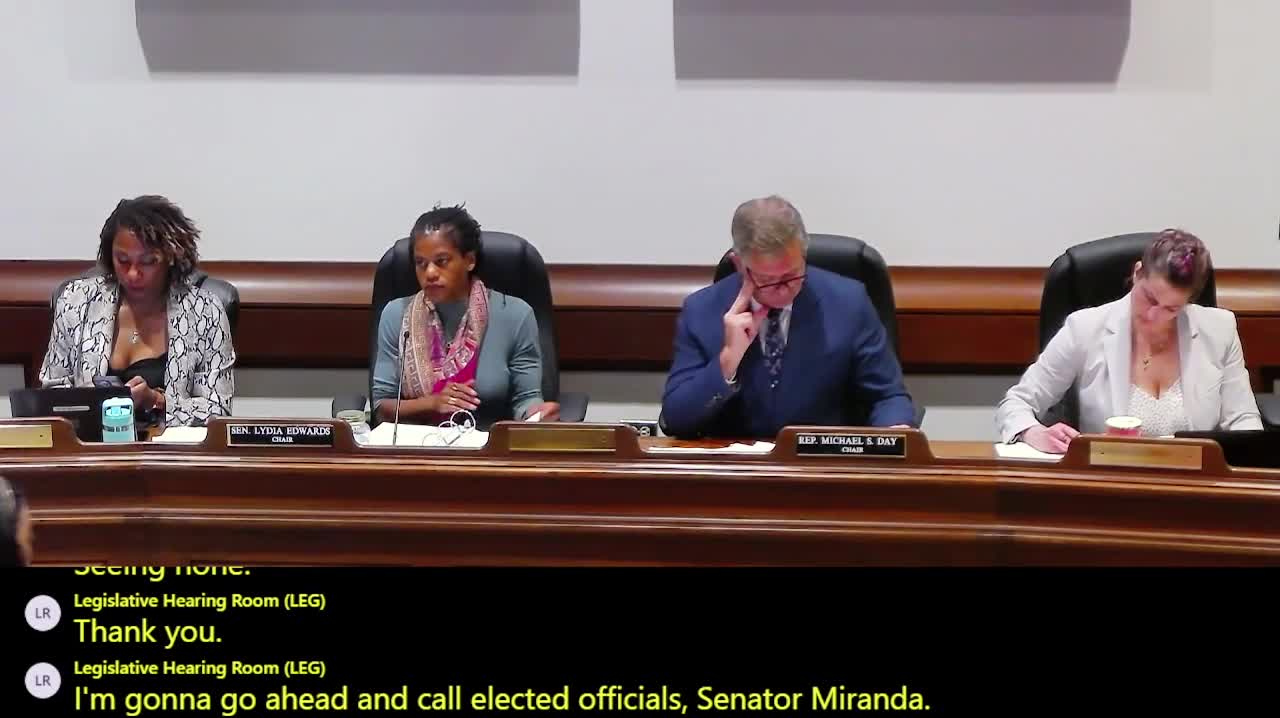
Summary
Survivors, formerly incarcerated people, legal scholars and legislators urged the Joint Committee on the Judiciary to pass reforms narrowing joint‑venture liability and to add proportional sentencing that distinguishes principal from accomplice culpability.
Boston — Dozens of witnesses including family members of victims, formerly incarcerated people, legal scholars and lawmakers told the Joint Committee on the Judiciary on Sept. 21 that Massachusetts’ joint‑venture and felony‑murder doctrines produce disproportionate life sentences for accomplices who did not kill anyone.
Senator Liz Miranda, sponsor of S.1199 and supporter of related bills, said the statutes can “treat accomplices to the same as principal offenders” and produce sentences “outrageously out of proportion with the actions of the offender.” Legal scholar Carter Reed, who helped draft reform language, told the committee the proposed change would keep joint‑venture liability but set a distinct accomplice‑murder sentencing range (for example 2.5 to 25 years) so courts can calibrate punishment to culpability.
Several people with firsthand experience testified that joint‑venture law had imposed life sentences on people who did not pull the trigger. One witness described being convicted under joint venture after codefendants took plea deals; another said his co‑defendants served harsh terms despite not being the shooter. The organization We Are Joint Venture and the Lewis D. Brown Peace Institute submitted testimony describing racial disparities, decades of life sentences tied to joint venture and calls for retroactive relief.
Professor Carter Reed explained the reform rationale to the committee: joint venture invites jurors to infer intent from group membership, which research shows can introduce bias and error. He recommended separating the principal murder offense from accomplice liability and adopting sentencing ranges that reflect a person’s actual role. Multiple witnesses asked that the legislation be made retroactive so currently incarcerated people could seek resentencing.
Advocates emphasized that the current approach disproportionately affects Black and Latino defendants and asked for a statutory fix that allows judges to impose sentences proportional to individual culpability. No committee vote was taken; witnesses urged the committee to report the bills favorably so the legislature could consider statutory language and retroactivity.
No formal actions were recorded during the hearing.