
Mass. hearing spotlights ‘Raise the Age’ bill to move 18–20-year-olds into juvenile system
Get AI-powered insights, summaries, and transcripts
Subscribe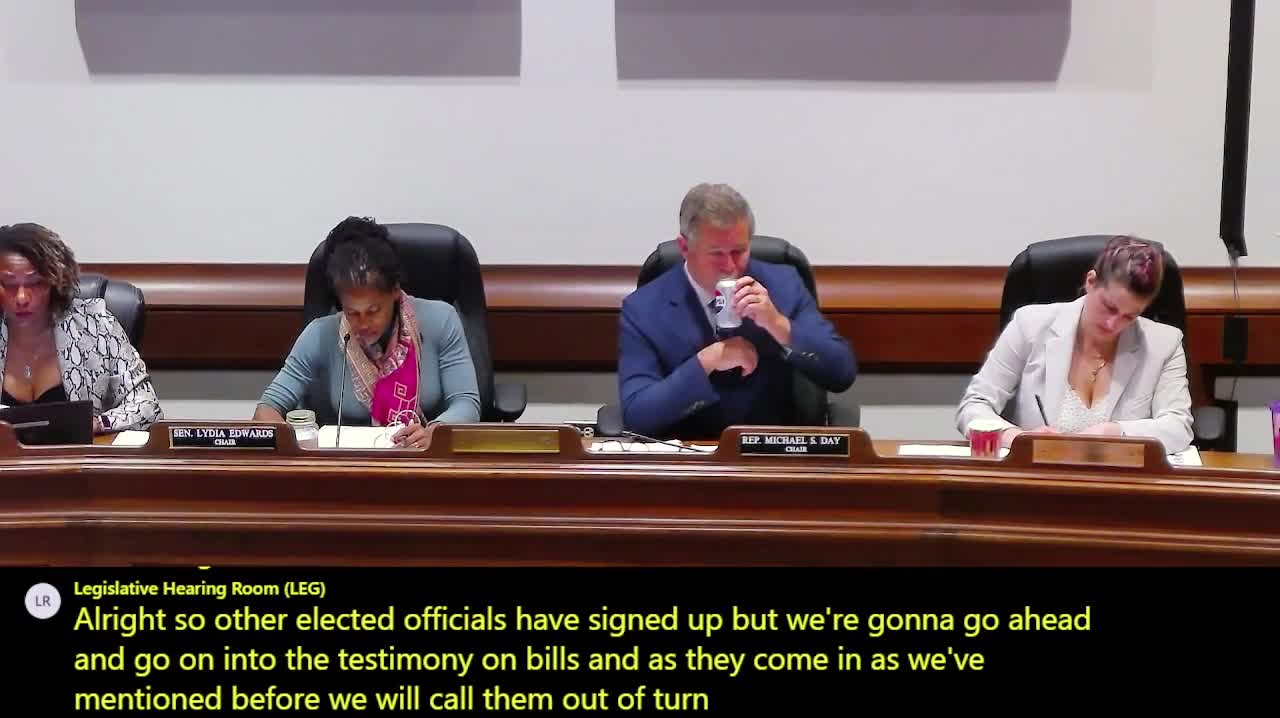
Summary
A broad coalition of advocates, former judges and service providers urged the Joint Committee on the Judiciary to report S.1061 favorably so that 18‑ to 20‑year‑olds can be handled in juvenile courts with rehabilitative services rather than the adult system.
Boston — Lawmakers, juvenile defense attorneys, service providers and young people urged the Joint Committee on the Judiciary on Sept. 21 to advance S.1061, “an act to promote public safety and better outcomes for youth,” which would phase in juvenile‑court jurisdiction for 18‑ to 20‑year‑olds.
Supporters said the juvenile system provides more rehabilitation, lowers recidivism and keeps education and family connections intact. Anna Wei of UTech and several formerly incarcerated young adults described how juvenile programming and community services changed outcomes for participants. “Raising the age gives young adults like me a real chance,” said Yandel, a young adult who testified about time spent at the Middleton House of Corrections and later supports through UTech.
The bill’s backers included retired juvenile court Judge Jay Blitzman, the Committee for Public Counsel Services, youth‑led groups such as Power Is Yours and Roca, and advocacy organizations including the ACLU of Massachusetts and Mass NOW. They cited state data and national research: speakers noted that juveniles tried in juvenile court have lower recidivism, and that in 2013 Massachusetts expanded juvenile jurisdiction to 17‑year‑olds without the predicted increase in juvenile crime.
Proponents emphasized practical benefits: Delsene Gonsalves (Deputy Chief Counsel, Youth Advocacy Division, Committee for Public Counsel Services) said the juvenile court already has “a functioning nationally recognized juvenile legal system that promotes positive youth development,” with trained juvenile defenders and services that can be extended to older adolescents. Roca and other program providers offered cost and outcome examples, including program engagement figures and recidivism reductions reported by service providers.
Several witnesses addressed equity and racial disparities. Nicole Lockhart Rios of Mass NOW pointed to higher incarceration rates for Indigenous, Black and Latino girls and urged rehabilitative approaches. United Way and statewide coalitions said the bill reflects compromise among stakeholders and should be phased in to allow system capacity to grow.
Committee members asked about practical implementation: sponsors and coalition representatives explained the proposal would phase in ages over time (for example, starting at 18 and building up) and that existing juvenile mechanisms such as youthful‑offender commitments (which can extend DYS commitments up to a birthday cap) provide models for continuity of services through a young person’s 20s. Stakeholders requested that the committee consider implementation timelines and capacity needs in written testimony.
No formal committee action was recorded during the hearing; witnesses repeatedly asked the committee to report the bill favorably out of committee so legislators could continue work on phased implementation and budget impacts.
Supporters asked the committee to weigh neuroscientific and recidivism evidence showing that young adults respond better to developmentally appropriate, community‑based services than to adult incarceration. They urged the committee to move S.1061 forward, saying it would reduce reoffending, improve educational and workforce outcomes, and save taxpayer dollars if implemented with evidence‑based programming.
— Lydia Edwards, chair of the Joint Committee on the Judiciary, opened the hearing and framed time limits and public comment rules; no committee vote occurred at this session.