Get Full Government Meeting Transcripts, Videos, & Alerts Forever!
Get email alerts on the Economic Development Carpenter Technology topic
No spam. Unsubscribe anytime.
Carpenter Technology proposes $354 million expansion in Limestone County; county asked to approve tax abatements and a $75,000 reimbursement
Summary
Carpenter Technology plans a major expansion in Limestone County totaling approximately $354 million and said it will add at least 62 jobs; the company has requested sales/use and property tax abatements and the county agenda included a $75,000 reimbursement tied to a vacuum induction melting furnace.
Carpenter Technology plans a major expansion in Limestone County that company and economic development officials say will bring a minimum 62 new jobs and a roughly $354 million capital investment.
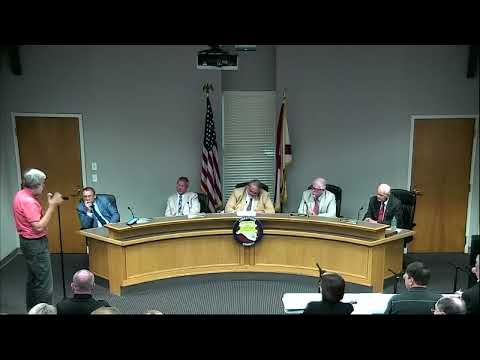
Bethany Shockney, with Limestone County Economic Development, told the commission the company first located in the county in 2012 and expanded in 2018. She said the planned expansion carries a total capital investment of "$354,000,000" and would add "62 jobs minimum over 3 year period of time," a conservative estimate in her view.
Shockney said the state has offered a competitive incentive package that will include the Jobs Act and training incentives through AIDT (Alabama Industrial Development Training). She said Carpenter is requesting tax abatements: sales and use tax relief during construction and property tax abatement. The economic development representative recommended that the commission approve the abatement request and welcomed Carpenter’s continued investment in Limestone County.
Agenda documents and a separate item read during the meeting also described a project agreement whereby Limestone County would reimburse Carpenter Technology $75,000 over three years for expenses incurred during construction of a vacuum induction melting furnace. That reimbursement item appeared on the commission agenda under resolutions and orders; the transcript does not record a final vote on the item during the work session.
Financial details discussed in the public comments: Shockney cited approximate figures for the abatements and returns to schools — she said construction-period sales and use tax savings would be “about $6,000,000,” the schools would receive “approximately $3,400,000,” and a property-tax abatement would save the company “about $10,000,000” while schools would receive about $8,000,000 over a 10-year period. (Those figures were presented in the meeting by the economic development representative and are included here as stated in the transcript.)
What the commission considered: The agenda included both a resolution to approve a $75,000 reimbursement over three years and a separate agreement granting tax abatement to Carpenter Technology based on the described capital investment and job creation. Commissioner Johnny declared a conflict of interest on economic development funding later in the meeting (stating his wife is an employee of the economic development association) and said he would abstain from related votes and discussion.
No formal approvals or vote tallies for the Carpenter items are recorded in the work-session excerpt of the transcript provided here. Staff indicated the abatement and reimbursement items were on the agenda for commission consideration.