
Planning commission approves temporary permit for Ocean Shore railcar restoration at Francisco Boulevard
Get AI-powered insights, summaries, and transcripts
Subscribe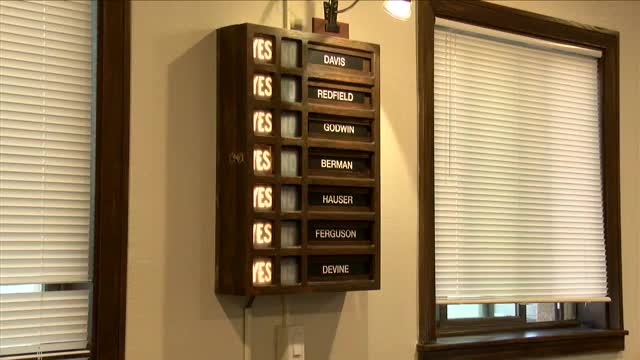
Summary
The Pacifica Planning Commission approved a temporary use permit and coastal development permit for continued restoration of Ocean Shore Railroad car No. 1409 at 1910 Francisco Boulevard, with conditions requiring removal of unrelated materials and compliance with stormwater best practices.
Pacifica Planning Commission approved a temporary use permit (TUP‑1‑25) and coastal development permit (CDP‑475‑25) to allow the Pacifica Historical Society to continue restoration work on Ocean Shore Railroad car No. 1409 at a city‑owned parking lot at 1910 Francisco Boulevard.
The commission adopted a resolution finding the project exempt from the California Environmental Quality Act under CEQA Guidelines §15304 (minor alterations to land) and approved the entitlements with two notable conditions: (1) all materials not related to the railcar restoration must be removed from the site within 15 days to the satisfaction of the senior code enforcement officer; and (2) the project must comply with the city’s stormwater management requirements and best management practices during ongoing work. Vice Chair Bryce Trahauser moved the approval; Commissioner Davis seconded. The motion passed with six votes in favor and one recusal.
Staff associate planner Caitlin Snodgrass summarized the application, noting the railcar has been at the 1910 Francisco Boulevard site since January 2023 and that the commission previously issued temporary permits and extensions, most recently allowing the installation through Sept. 4, 2025. Snodgrass said progress on the car includes plywood sheathing, roof bracing, purchase of 52 glazed safety‑glass windows, door construction, new flooring, primer coats on the exterior and renovation of the trucks (wheels). She told commissioners that a city code enforcement inspection found some materials on site that appear unrelated to the restoration and recommended the condition requiring their removal.
The applicant, who identified herself as Diedre of the Pacifica Historical Society, said the restoration is volunteer‑run, funded by donations and rummage‑sale proceeds, and receives no city monetary support. She described the car’s historical ties to the city and said the group has purchased century‑old trucks from a rail group in Sonoma County to replace the car’s wheels. Construction supervisor Bob Azaro said volunteers and qualified craftsmen are difficult to find and that the work has been slow and painstaking: “it’s a very, very slow and tedious process.”
Commissioners asked about parking impacts, site security, hazardous materials and the project’s long timeline. Commissioners were told the current permit covers the car in its existing location only; any relocation of the car to a more prominent spot on Francisco Boulevard would require a future coastal development permit and additional review by public works (including restriping and circulation changes). Staff also confirmed that the active permit requires compliance with the city’s stormwater program and best management practices (condition of approval No. 9).
Public comment on the item was not received live in the chamber or on Zoom. During deliberations commissioners praised the volunteers and historical value but pressed for clearer site documentation; staff told the commission the applicant must provide an updated site plan for the record. Snodgrass said the planning division inspected the site before the hearing and that code enforcement would verify removal of unrelated materials if the commission approved the permit.
The commission recorded the following formal action: it found the project exempt from CEQA, approved TUP‑1‑25 and CDP‑475‑25 with the conditions described above, and incorporated maps and testimony into the record. Vice Chair Bryce Trahauser made the motion; Commissioner Davis seconded. Commissioner Ferguson recused himself because of proximity concerns. The motion passed 6–0 (6 yes, 1 recused).
Next steps for the project include the applicant providing an updated site plan for the record and, if the historical society later proposes a permanent relocation or placement on a foundation, review of a future coastal development permit, building permit and public‑works review for parking reconfiguration and site improvements.