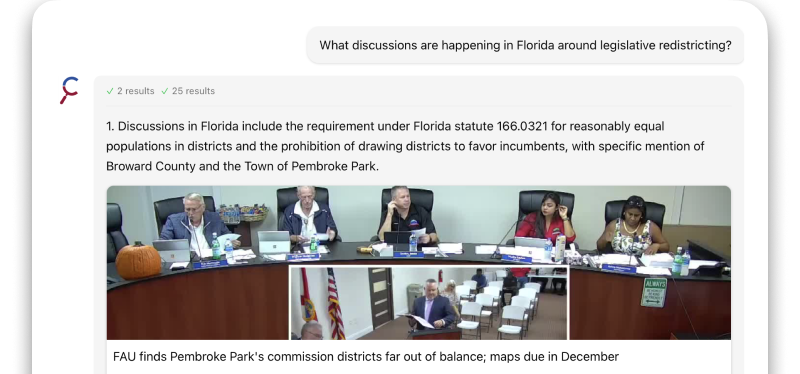
Clay County Commission approves smaller property tax levies after discussion of revenue impacts

Summary
The Clay County Commission on Sept. 25 approved ordinances setting the 2025 property tax levies, including a voluntary rollback of the general levy and a required rollback for the road-and-bridge levy; commissioners debated the fiscal trade-offs and the limited direct relief to an individual homeowner.
The Clay County Commission on Sept. 25 approved two ordinances setting 2025 property tax levies, including a voluntary rollback of the county general levy and the required rollback on the road-and-bridge levy.
Victor Hurlburt, Clay County auditor, told commissioners the road-and-bridge levy would be reduced from 0.0658 per $100 assessed valuation to 0.0617, a roughly 6 percent decrease in the rate that nonetheless produces about a 4.8 percent increase in revenue for that fund because of new construction. "It represents a 6% decrease in the levy to 0.0617. It yields a roughly 4.8% increase in revenues," Hurlburt said.
Hurlburt also described the county's voluntary reduction of the general levy from 0.0200 to 0.0179 per $100 assessed valuation — a roughly 10 percent cut from the current general rate and a significant reduction relative to the allowable ceiling. "For the general levy, we actually have a voluntary rollback greater than a 6% requirement of a 10% reduction from our current 2¢ levy to 0.0179," he said.
Nut graf: The measures passed after debate about whether modest rate reductions provide meaningful relief to residents and how lower levies constrain future county spending. Commissioners split on the degree of rollback but adopted the ordinances so the levy rates can be published and the county can finalize its budget planning.
Commissioners debated the practical impact on households and on county services. Commissioner Wagner argued the move provided little direct relief to most homeowners, saying the average homeowner would see only a few dollars difference and declining property taxes alone do not address broader cost pressures. Commissioner Johnson said his push to lower property taxes was philosophical, noting property tax is a recurring annual charge that can be burdensome for households even if the per‑household change is small. Several commissioners said the reductions help restrain expansion of government spending.
The commission voted to approve the package of levies. The motion to approve ordinance 2025-21 (the primary county levies) was made and passed; the official roll call recorded the motion as passing by a 5–1 margin. For the outside levies in ordinance 2025-22 — levies used by voter-approved outside agencies such as developmental disabilities and senior services — the commission also approved the proposed ceilings and recorded support from those boards; that ordinance passed unanimously.
Sonya Bennett, administrator for the Clay County Developmental Disabilities Resource Board, told commissioners the board relies on the levy to serve about 1,600 Clay County residents. "From the DDRB board's perspective and the people we serve… there are almost 1,600 people in Clay County that are served by this levy," Bennett said, asking commissioners to consider the practical consequences if funding were cut.
Ending: The commission's votes set the levies that will be published in advance of tax notices and guide county budget work this fall. Commissioners said they expect to continue budget conversations in coming weeks as staff assembles the formal fiscal plan.