Get Full Government Meeting Transcripts, Videos, & Alerts Forever!
Get email alerts on the Temporary Use Permits topic
No spam. Unsubscribe anytime.
County panel, state's attorneys and law enforcement discuss tougher consequences after animal-welfare complaints at rodeos
Summary
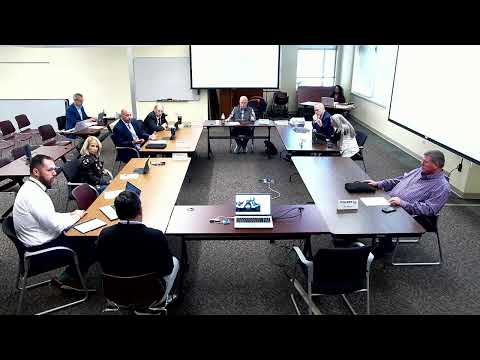
After animal-welfare complaints connected to rodeo events, McHenry County’s Planning, Environment and Development Committee and the county state's attorney’s office discussed stronger permit conditions and enforcement options on Oct. 7.
The McHenry County Planning, Environment and Development Committee on Oct. 7 discussed tightening temporary-use permit conditions and enforcement after complaints about animal handling at rodeo events were raised by members and attendees.
County and state's attorney representatives reviewed the legal landscape and said criminal enforcement is the primary route for acts that may constitute animal cruelty, and that local efforts to write narrowly targeted prohibitions risk unintended legal challenges. The state's attorney’s office said the county can pursue stronger permit-based penalties—such as denying future permits for violators—but cautioned about due-process and enforcement practicalities.
Committee members urged firmer, consequential language in the UDO so that violators face penalties beyond a modest fine and to consider triggers that would disqualify a property or organizer from future permits. Members proposed measures such as a checklist-based on-site inspection similar to health-department food-safety checks, clearer definitions of required on-site services (veterinarians, EMTs, security), and pre-event agreements clarifying the veterinarian’s role.
Law-enforcement representatives said shutting down a large event on public-safety grounds can be hazardous and requires adequate officer staffing; deputies and private security have been used to monitor events, and body-camera evidence and criminal investigation would drive any prosecutorial decision. The state's attorney’s office noted that private citizens’ videos can be voluntarily provided to investigators and used in a case.
The committee asked staff to draft stronger permit conditions and enforcement language for future consideration, including a potential permanent ban or permit ineligibility for sites where severe violations occur. County counsel and staff agreed to return with proposed ordinance language and enforcement options.