Get Full Government Meeting Transcripts, Videos, & Alerts Forever!
Get email alerts on the Animal Services Contract topic
No spam. Unsubscribe anytime.
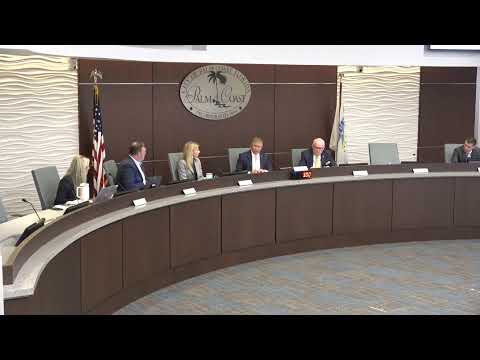
Palm Coast authorizes one‑year contract with Flagler Humane Society, adds council liaison and reporting
Summary
The Palm Coast City Council unanimously approved a one‑year agreement with the Flagler Humane Society on Oct. 7. The contract raises the per‑animal intake rate and adds a quarterly meeting requirement and a council liaison; staff and the Humane Society discussed intake procedures, capacity and reporting.
The Palm Coast City Council unanimously approved on Oct. 7 a one‑year contract with the Flagler Humane Society for shelter services, including a modest increase in the per‑animal charge and new reporting and liaison provisions.
Acting City Manager Britney Johnston and staff negotiated updated contract language with the Humane Society. The change raises the city’s per‑animal intake fee from about $1.32 to $1.56 per unit in the cost schedule cited at the meeting and staff said the city’s total contract exposure is expected to be roughly $125,000 in the coming year (up from about $90,000 the previous year). The contract is a per‑intake, per‑animal arrangement rather than a flat annual fee.
Contract provisions and council direction
The contract includes new language requiring quarterly meetings between the Humane Society, two board members and a city council liaison; the council appointed Mayor Michael Norris (self‑selection during the meeting) as the city’s liaison. It also requires the Humane Society to follow an animal bill of rights and to maintain population‑management procedures to avoid overcrowding.
Amy, representing the Flagler Humane Society, told council, "We don't turn people away. We do ask if somebody is turning their animal in. We usually ask them to make an appointment first," and described intake practices that prioritize finding alternatives for owners when possible. She said the shelter will accept animals when owners present them and that the shelter tries to provide medical help, training referrals or appointments when appropriate.
Council concerns and contract clarifications
Council members and residents raised operational questions about intake timing, how "overpopulation" would be identified, how dangerous‑dog determinations are handled, and financial reporting. Staff and the Humane Society agreed to add clearer reporting requirements and to follow up with data on shelter capacity and finances. Staff also said they would coordinate on licensing and other potential revenue sources to support shelter operations.
Motion and vote
A motion to approve the contract with the changes discussed (clarified intake appointment practice, quarterly liaison meetings and a request for regular reporting including financials) passed unanimously. Council member Miller seconded the motion. The roll call was unanimous.
Ending
Staff will finalize the contract language to reflect the clarifications requested by council and return to implement reporting and liaison arrangements. Council members asked for periodic updates on capacity, days of over‑capacity, and financials to help forecast future needs.