Get Full Government Meeting Transcripts, Videos, & Alerts Forever!
Get email alerts on the Driving While Intoxicated Operation topic
No spam. Unsubscribe anytime.
Appeals Court hears challenge in driving-while-intoxicated operation question in Commonwealth v. Connolly; case under advisement
Summary
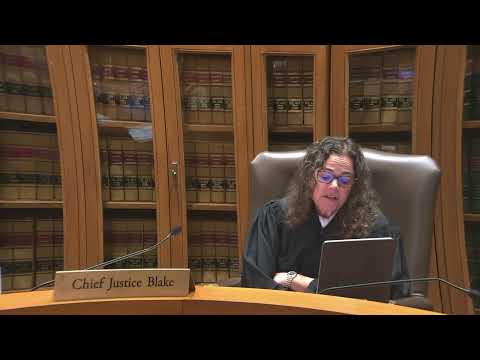
A three-justice Appeals Court panel heard argument in Commonwealth v. Donald J. Connolly (docket 24P1367) about whether trial evidence proved the element of "operation" for an intoxicated-driving offense; the court reserved decision.
The Appeals Court panel heard argument in Commonwealth v. Donald J. Connolly, docket 24P1367, on whether the evidence at trial was sufficient to support conviction for operating a motor vehicle while intoxicated. Defense counsel (identified in the transcript as Attorney Padilano/Padilano) argued the evidence did not prove Connolly was in the driver's seat or that he intentionally operated the vehicle; Assistant District Attorney Matthew Palano argued the car was turned on, the defendant was in the vehicle, and intoxication had been stipulated at trial. After argument the panel took the case under advisement.
The legal focus was the element of "operation" post-Wurzberger (as cited by counsel). Defense counsel emphasized the absence of direct evidence that Connolly sat in the driver's seat or turned the ignition, noted witness testimony ambiguities about where the defendant was sitting, and asked the court to view the record in the light most favorable to the defendant. Prosecutor Palano said the jury heard testimony that the vehicle was running, that the witness identified the defendant as the person at the vehicle, and that intoxication had been stipulated (relieving the Commonwealth of proving intoxication). He urged the panel that under Wurzberger turning on a vehicle while intoxicated and being in the vehicle supports operation.
Justices probed the parties on several factual points: whether a remote start or key fob could make operation findings less certain, whether a jury could reasonably infer the defendant was in the driver's seat from testimony that he "was waiting for a parking spot," and whether the Commonwealth had preserved particular sufficiency claims. Defense counsel argued the Commonwealth asked leading or unclear questions and that reasonable inferences were stacked upon other inferences. Palano countered that witness answers to questions identifying the defendant as the driver are admissible and a reasonable jury could infer recent operation from the car's running condition and the context (a busy car show parking lot).
The panel also discussed preservation of some issues under Rule 25 and the standard of review for sufficiency challenges. The Commonwealth said the operative evidence was presented in the Commonwealth's case and that the result would be the same whether reviewed at the close of the Commonwealth's case or after all evidence. No ruling was issued from the bench; the court took the matter under advisement and asked counsel to rest on their briefs.
No decision was announced at the hearing.