Get Full Government Meeting Transcripts, Videos, & Alerts Forever!
Get email alerts on the Land Use Code Housing topic
No spam. Unsubscribe anytime.
Residents and planners press aldermen to approve new land use code to expand housing options
Summary
Speakers urged aldermen to support a years-long rewrite of the city’s zoning rules—the proposed land use code—to allow more housing, mixed-use development and walkable neighborhoods. Business owners raised concerns about restrictions on existing commercial properties and asked for targeted exemptions.
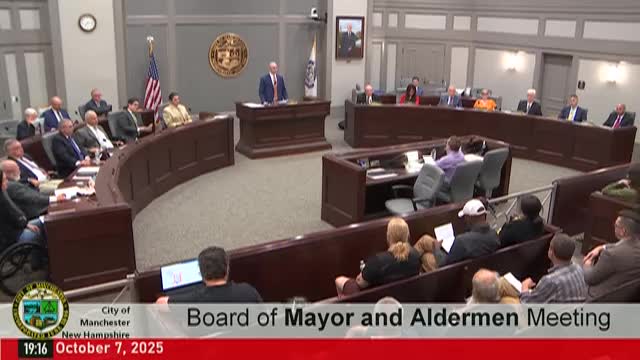
Speakers at Thursday’s meeting urged the Board of Mayor and Aldermen to adopt a comprehensive change to Manchester’s zoning code aimed at increasing housing supply and enabling more mixed-use development.
Bryce Kawe (spellings in transcript: Kawe/Kaewoo), identified as the Planning Board chair and a candidate for Ward 1 alderman, told the board the proposed “new land use code” is the product of years of staff and volunteer work and would make it easier to build diverse housing types for young professionals, families and seniors.
“Manchester desperately needs more housing,” Kawe said during public comment, adding that the draft code is a “comprehensive and thoughtful approach” to increase supply and affordability.
Some commercial property owners said the proposed form-based code would unfairly restrict existing uses on their sites. Susan Dartis, who identified herself as a commercial property owner in the Central Business District, said the draft code would limit how she could reuse or redevelop a one-story, 10,000-square-foot building now occupied by an auto repair tenant. She asked aldermen to review the document carefully and consider protections for existing commercial uses.
Planning staff and the Planning Board have been working on the land use code for years; speakers and aldermen said the draft is intended to align Manchester’s zoning with state law changes and to encourage traditional mixed-use, walkable development in downtown and targeted areas.
Why it matters The land use code rewrite would reshape where and what type of housing and commercial development is allowed across the city and could affect property owners’ redevelopment choices. Supporters argue zoning reform is needed to increase housing supply and affordability; some property owners and local business interests asked for clearer protections for existing commercial uses and more outreach before final adoption.
Next steps Planning staff told the board the draft is not final; the director and solicitor will continue to review outstanding questions and revision requests. The board and planning staff said they hope to finalize committee review and return a recommended ordinance in the coming weeks.
Speakers quoted or referenced in this article include:
- Bryce Kawe, Planning Board chair (public commenter): “This is the culmination of a years long process… It will help restore the ability to build traditional mixed use buildings and create vibrant, walkable communities.” - Susan Dartis, Central Business District property owner (public commenter): said the code’s form-based restrictions would limit reuse for an auto-repair tenant and asked for more review.
Sections Lede: Residents and planning officials urged aldermen to adopt a proposed “new land use code” to expand housing supply and enable mixed-use development; some commercial property owners requested protections for existing uses.
Nut graf: The draft zoning rewrite is intended to update the city’s land-use rules to make it easier to build a range of housing types and restore traditional mixed-use building types; critics worry it could limit reuse of existing commercial and light-industrial properties without careful exemptions.
Ending: Planning staff and the solicitor will continue to refine the draft and return it for committee and board consideration; supporters and critics urged more outreach and close review before adoption.