
Kittredge building committee narrows schematic choices; MSBA review, town vote eyed for spring 2026
Get AI-powered insights, summaries, and transcripts
Subscribe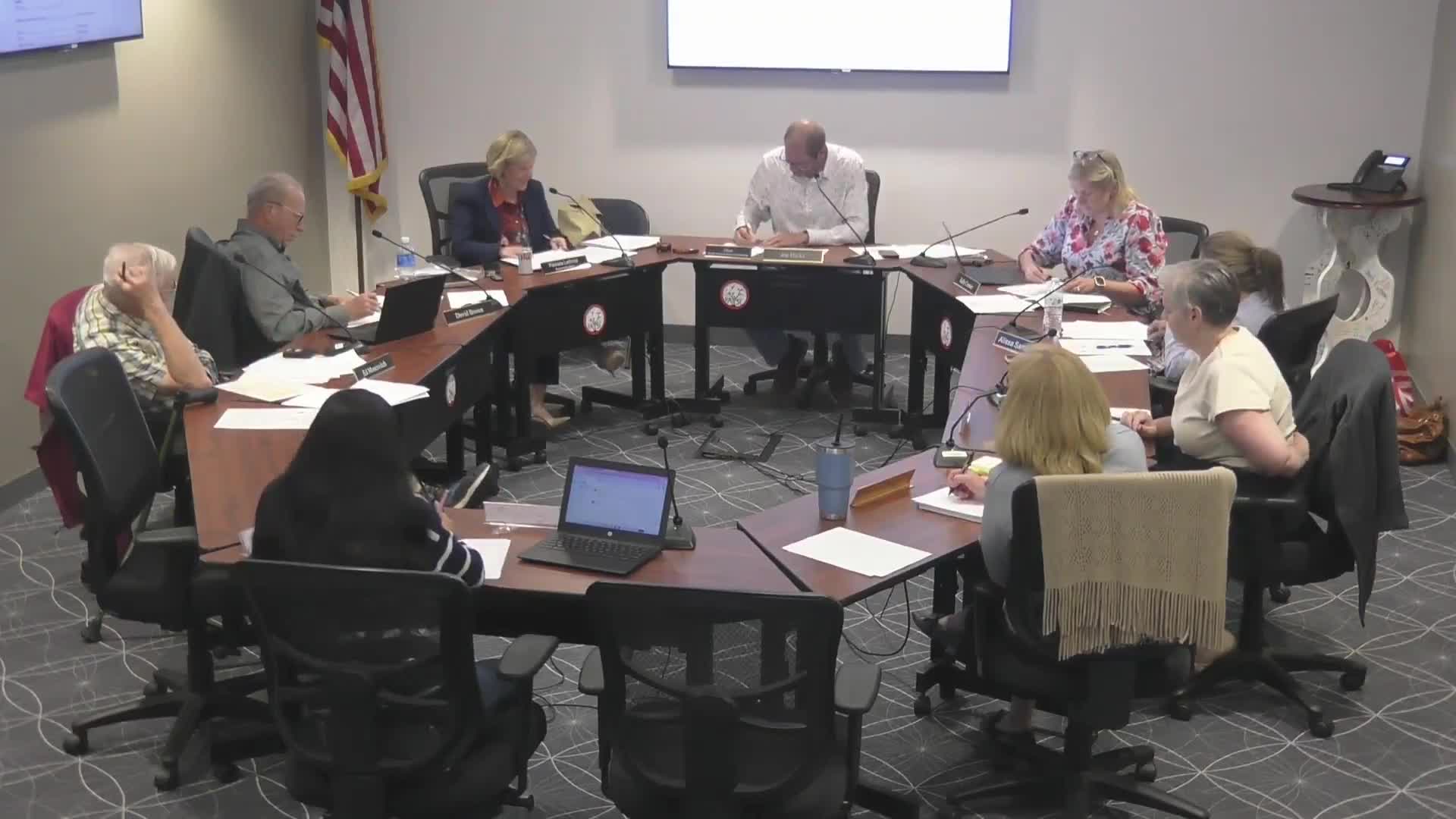
Summary
The Kittredge Elementary School building committee finalized value‑engineering choices and directed architects and the owner’s project manager to produce a final schematic package by Oct. 23 for state review; committee members said the town will likely seek borrowing authorization and a debt‑exclusion vote in spring 2026.
The Kittredge Elementary School building committee moved closer to a final design Sept. 25, voting on value‑engineering options and asking the project team to deliver a complete schematic design package for submission to the Massachusetts School Building Authority (MSBA) by Oct. 23. Committee members and school leaders said the MSBA decision is expected in mid‑December, after which the town will develop a timeline for required town meeting and (if needed) a debt‑exclusion election.
At a public briefing during the North Andover School Committee meeting, members of the building committee said recent sessions focused on reconciling contractor cost estimates and selecting materials and systems intended to limit long‑term maintenance costs — for example, longer‑life roofing and lower‑maintenance exterior materials. The committee discussed the tradeoffs of several construction options and voted on a set of preferences to inform the final construction budget.
The committee plans to submit a roughly 350‑page schematic design document to the MSBA on Oct. 23 and to seek the MSBA's acceptance or comments in December. If the MSBA approves, the town will prepare a financing plan; the project team will calculate the percent of construction costs the MSBA will cover and the share the town must fund. Committee members stated they expect to ask town meeting for borrowing authorization and, if necessary, a debt‑exclusion vote; town meeting is scheduled for May 12, 2026. The building committee said public materials, minutes and renderings will be posted on the Kittredge School Building Committee web page and that the committee intends public forums and virtual sessions to share designs with residents.
Committee leaders said they used community feedback collected earlier (about facade and window options) to guide decisions and will continue outreach as the project moves forward. The project team named in the meeting included an owner’s project manager with prior district experience and the architecture firm Machado Silvetti; Colliers was identified as the OPM on past projects. The committee emphasized that some elements removed now as budgetary options could be restored later if finance decisions change.