
Council approves 2016–2020 CDBG consolidated plan and 2016 action plan
Get AI-powered insights, summaries, and transcripts
Subscribe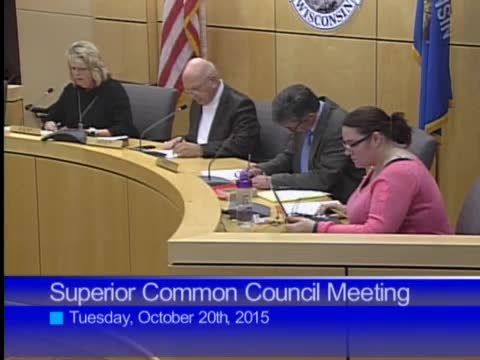
Summary
The Common Council approved the federally required 2016–2020 Community Development Block Grant consolidated plan and the city's 2016 action plan, which outline housing, public services and neighborhood projects funded with roughly $941,000 this year.
The Common Council on Oct. 20 approved a resolution adopting the 2016–2020 Community Development Block Grant (CDBG) consolidated plan and the 2016 annual action plan, documents the city must submit to the U.S. Department of Housing and Urban Development to receive CDBG funds. The vote to adopt the consolidated plan and action plan passed on a voice vote after a public hearing with no comments. Jason, a city staff member, presented the plan and annual budget to the council. The plans set housing and public-service priorities and guide roughly $941,000 in program activity this year, including $96,000 for public services and approximately $200,000 proposed for a sidewalk program.
The consolidated plan, a federal requirement, covers the city’s five-year strategy for using CDBG dollars, and the action plan is the annual application for funds. Jason told the council the plan focuses on assistance to lower- and extremely-low-income residents, including the homeless, and identifies a shortage of accessible, quality affordable housing. He said the city hired MSA Professional Services to help with needs assessments and market analysis and that a separate needs analysis shows potential rental demand the city could absorb over 10 years.
The action plan’s city activities include administration and planning, a small fair-housing contract with Northwest Community Services, a proposed owner-occupied housing rehabilitation program in partnership with “WONDERF Housing” from Duluth, continued facade and sidewalk programs, tree plantings to respond to ash borer losses, and support for nonprofit public-service providers such as CASDA and Senior Connections. Jason said the city also plans to work with One Roof Community Lending to reestablish a home-rehab loan program discontinued about eight years ago and to create a property inspection program for rental housing.
On the funding mix, Jason explained the annual federal grant arrives in April or May; program income—repayments from prior deferred rehab loans—is added; and reallocated balances are sometimes used. He said the city cannot roll over as much funding as in prior years, which is increasing pressure to reallocate funds. Jason said the city is keeping public-service funding below the 15% HUD limit and budgeting it at about 13% to avoid overages in some years.
Councilors asked for clarifications on program continuity and the public-service cap. Councilor Sweeney asked about program history and success; Jason said public-service recipients remain largely the same and that the city rotates other activities such as sidewalks or streets when possible. Councilor Bender asked why the city budgets less than the 15% maximum for public services; Jason said keeping the set-aside at 13% is a protective measure because year-to-year reporting can push the effective percentage above 15% and trigger HUD concerns. The council voted to adopt the consolidated plan and the 2016 action plan after the public hearing closed.
The consolidated plan identifies housing, blight elimination, accessibility improvements, and support for organizations serving low-income residents as priorities. The action plan allocates smaller grants to multiple community organizations (total public-services allocation shown as about $96,000), funds sidewalk and tree-planting work, and steps up plans for a home-rehab loan program and rental-property inspections. The plan will operate as the city’s application to HUD for CDBG funds; specific projects and agreements will be brought back to council for approval as needed.