Get Full Government Meeting Transcripts, Videos, & Alerts Forever!
Get email alerts on the Budget topic
No spam. Unsubscribe anytime.
Woodland District 50 board adopts fiscal 2026 budget, shifts $2 million to capital projects
Summary
The Board of Education of Woodland Community Consolidated School District 50 held a public hearing and approved the final fiscal year 2026 budget, authorized two abatements from the working cash fund, approved a capital spending plan and added one full‑time paraprofessional position.
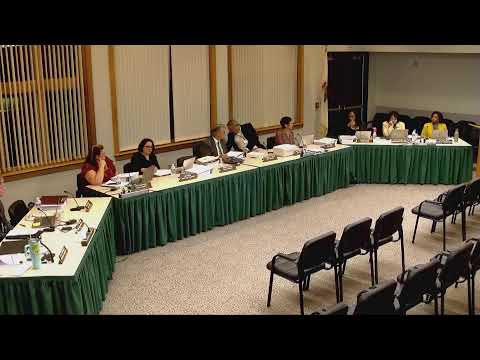
The Board of Education of Woodland Community Consolidated School District 50 approved the fiscal year 2026 budget and related spending measures after a public hearing on Sept. 25.
At a hearing required by the Illinois School Code, administration presented a final budget that projects roughly $2.3 million more in revenues than the prior year and a projected operational deficit of about $2.1 million once planned capital projects are included. "The revenues are anticipated to go up by about $2,300,000," the district's budget presenter told the board during the hearing.
The budget moves money between funds to cover priorities the administration described. The board approved: (1) Resolution No. 1 adopting the FY26 budget for the period July 1, 2025, through June 30, 2026; (2) a resolution abating $36,600 from the working cash fund to the debt service fund; and (3) a resolution abating $2,000,000 from the working cash fund to the capital projects fund. The board also approved the FY26 capital expenditure spending plan and authorized district procurement and bidding to proceed during the 2025–26 school year. All motions passed by votes recorded as 6–0.
Administration described the main revenue drivers and shifts: local property taxes remain the dominant revenue source; evidence‑based funding to the district declined as Prairie Crossing Charter School’s share of state aid rose; state revenues overall are expected to decline by about $1.1 million; and federal revenues are projected to be down roughly $113,000. On the expenditure side, most increased spending is in the education fund — driven by salaries and benefits tied to the collective bargaining agreement and higher medical insurance costs — while capital projects spending is lower than the prior year. The administration said capital spending for FY26 is roughly a little over $4 million and includes projects that will carry into FY27, such as asphalt and HVAC work and a facilities master plan.
The board also approved the addition of one full‑time paraprofessional to support special education student needs for the 2025–26 school year, again by a recorded 6–0 vote. During discussion board members asked for supplemental materials; the administration said detailed presentation slides and supporting documents would be shared with the board.
Clarifying details discussed during the hearing included district enrollment (reported in the meeting as 4,282 students), a projected debt‑service timing surplus tied to levy/payment timing, and a statement that the district expects to transfer working cash to the capital projects fund for planned summer and multi‑year projects. The district advised that some capital invoices will post in different fiscal years because summer projects span two fiscal years.
The board conducted the formal budget hearing per Section 17‑1 of the Illinois School Code, and minutes note the board prepared and published the tentative budget in advance and made it available for public inspection as required.