Get Full Government Meeting Transcripts, Videos, & Alerts Forever!
Get email alerts on the Timber Harvest And Enforcement topic
No spam. Unsubscribe anytime.
Conservation commission reviews cutting plan for Elm Street lot, agrees to inquire about recent clearing on neighboring Hardaker property
Summary
The Conservation Commission reviewed a timber‑cutting plan for a 10‑acre Elm Street lot and discussed wetlands protections; commissioners also asked staff to send inquiry letters and conduct a site visit after members noticed recent clearing on property owned by the Hardaker family.
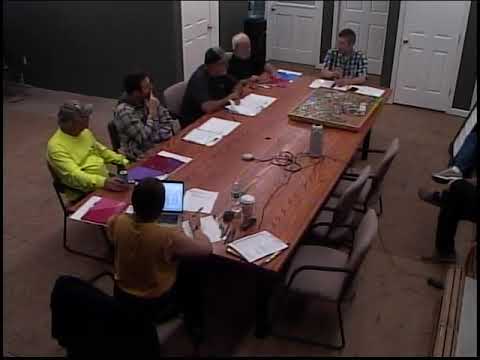
At a meeting held in person and online, the Conservation Commission reviewed a cutting plan for a 10‑acre lot on Elm Street submitted for landowner Alan Crane and discussed whether proposed work complied with wetland buffers and cutting‑plan requirements. Commissioners noted that cutting plans allow certain harvesting under specified conditions, including leaving buffer strips and following seasonal restrictions, and that landowners may be allowed to cut up to 50% of standing timber in some wetland areas under dry and frozen conditions subject to buffer rules.
Commissioners emphasized the need for a cutting plan to demonstrate compliance with wetland buffers and erosion controls. One commissioner noted the town’s practice of requiring a cutting plan to provide leeway in otherwise restricted wetlands and to assure that conservation protections are observed. The applicant and local foresters were referenced in the discussion as having relevant expertise on wetland boundaries and appropriate harvesting practices.
During the same agenda segment commission members raised concerns about recent, apparently unpermitted clearing on property owned by the Hardaker family (referred to in the meeting as Jim and Jared Hardaker). Members said they observed cleared areas, equipment, and disturbed ground in locations that, based on mapping reviewed in the meeting, appeared to include wetlands and stream corridors that feed nearby waters. The commission discussed options ranging from an informal letter to the landowner asking for clarification, to an enforcement order requiring restoration or an after‑the‑fact Notice of Intent if work had been done without required permits.
The commission agreed to take initial, non‑enforcement steps: staff will draft and send an inquiry letter to the landowner asking for clarification of the recent activity and whether any permits were obtained, and staff will coordinate with commissioners to conduct a site visit (from public ways and without trespassing) and to request any necessary erosion controls if work has occurred within 100 feet of wetlands. Commissioners suggested including language in the letter that requests placement of erosion controls when work occurs within defined wetland buffers and that asks the landowner to provide relevant permits or to file an after‑the‑fact NOI if required.
The commission did not issue an enforcement order at the meeting; members said factual follow‑up (photos from public ways, a site visit, and the landowner’s response) should precede formal enforcement. Staff agreed to prepare a draft letter modeled on a prior template and circulate it to the commission for review before sending.
Next steps: staff will draft and circulate the inquiry letter, schedule a site visit visible from public ways, and report findings back to the commission to determine whether formal enforcement or filing requests to DEP are necessary.