Sun City board hears rising receivables, reviews collection process as unpaid assessments near $1 million
Get AI-powered insights, summaries, and transcripts
SubscribeSummary
At its Sept. 25 meeting the Recreation Centers of Sun City (RCSC) board reviewed August financials showing growing receivables and discussed collection options including liens, third‑party collections and limited foreclosure for transferred properties.
The Recreation Centers of Sun City board on Sept. 25 reviewed financial statements showing growing member receivables and heard staff describe the association’s formal collection process.
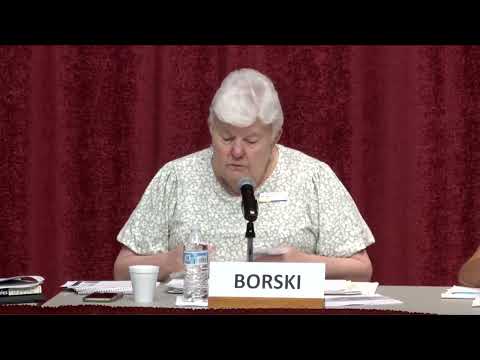
Treasurer Anita Borski told directors the balance of unrestricted funds as of Aug. 31, 2025, was $9,600,000 (which includes a $2,500,000 cash reserve). She said restricted funds included a Preservation and Improvement Fund (PIF) balance of $39,700,000 and a capital reserve fund (including SIF fees) of $12,800,000. Borski reported RCSC’s net operating deficit for August totaled $293,925 and that year‑to‑date operating results for the recreation facilities were about $2.1 million in excess of budget in one line but that other income sources were below plan.
Why it matters: several directors flagged a sharp rise in accounts receivable tied to assessment fees. Director Anita Borski said receivables are growing “around a little over a $100,000 a month,” and that the association’s assessment receivables were approaching $1,000,000. Director Kevin McCurdy, director of finance, told the board the organization follows a multi‑step collection calendar that includes invoices, progressively sterner demand letters and, after repeated nonpayment, filing liens against properties. “If the assessment isn't paid… at that point, we would put a lien on the property,” McCurdy said.
McCurdy said RCSC sometimes assigns long‑term past‑due accounts to a third‑party collections agent that may pursue foreclosure when ownership has transferred (for example, when a property is held by an estate). He cautioned that bankruptcy filings can delay or stop collection activity; when a property owner has an active bankruptcy case, collections must await the outcome of bankruptcy proceedings.
Several directors pressed for more detail about the receivable rise. Director Collins said he has pursued a foreclosure for a long‑delinquent property but that an intervening bankruptcy has “pumped the brakes” on efforts. Director Borski asked whether foreclosure costs are borne by RCSC; McCurdy answered that the collection agency typically advances or handles fees and then adds those charges to the amount collected.
Board members also discussed member access consequences: McCurdy confirmed that members with unpaid assessments may have their membership card deactivated and lose the ability to use facilities or buy guest passes.
In the same meeting Treasurer Borski described growth in giving to the Sun City Foundation, which provides emergency assistance to low‑income members. She said the foundation helped 85 people this year and asked members to consider year‑end donations to support the program.
What’s next: The treasurer’s report was filed for audit. Directors asked for follow‑up information about the collection pipeline, the composition of the receivable balance (which fees are driving it, including PIF and SIF components), and the specific timelines and costs associated with liens and foreclosures.
Sources: Treasurer Anita Borski and Kevin McCurdy, director of finance, at the RCSC board meeting on Sept. 25, 2025.