Get Full Government Meeting Transcripts, Videos, & Alerts Forever!
Get email alerts on the Roadway Drainage Winter Maintenance topic
No spam. Unsubscribe anytime.
Maintenance crew stresses drain cleaning and equipment checks to reduce winter black ice
Summary
Maintenance crew members described drain-inspection steps, equipment upkeep and winter prep intended to prevent runoff freezing into black ice; no formal actions or budget details were stated.
Maintenance crew members described procedures for inspecting drains, maintaining older equipment and preparing for winter during a recorded crew discussion. "We're deemed the specialty crew. We got our maintenance sheds. We got our constructions. But then anything else that maintenance doesn't really cover, we do. Drainage, signs, crash cushions, attenuators, welding, fabricating, carpentry," Maintenance crew member 1 said.
The crew emphasized equipment checks and routine inspections ahead of snow season to avoid breakdowns and to limit state costs. "It's the only 1 in, basically, in this region. And if it goes down, then it's gonna cost the state more money. I like to do it as much as I can," Maintenance crew member 2 said.
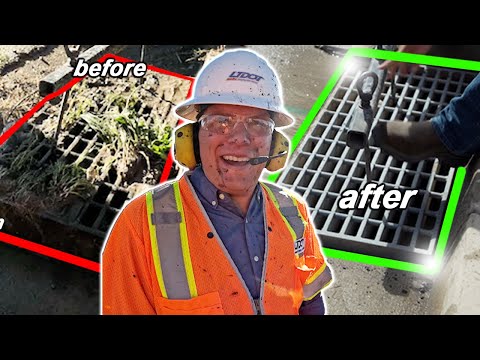
Nut graf: Crew members explained that clogged or damaged storm drains can create runoff that refreezes on roadways as black ice, posing a safety risk, and outlined the hands-on steps they use to clear and inspect drainage infrastructure and vehicles.
Most important details: crew members described a step-by-step process for assessing and cleaning storm drain boxes and grates. The sequence said to inspect the pipe, remove and spray the grate if full, use a vacuum to remove material, and spray around the grate to push remaining material for the vacuum to collect. One speaker described zig-zagging through material on the ground when conditions required it and encouraged hands-on learning for new crew.
They also stressed vehicle inspections and routine protocols. "We follow all the protocols," one crew member said, naming pre-trip and post-trip inspections and truck familiarity as key safety measures. Members said they keep older equipment well-maintained to avoid roadside breakdowns.
On winter-specific risks, a crew member described how a blocked drain or a built-up windrow of snow can melt, refreeze and run onto the roadway as black ice: "it had to flood, so it won't take the material. So we build up a windrow of snow and then the sun comes out and melts it and then it freezes, it's gonna run right on the roadway and cause black ice." They said identifying and cleaning drains quickly is their biggest early-winter priority.
The discussion included notes on team practices and training: mentoring new staff through the same cleaning steps, watching each other's backs for safety, and prioritizing that everyone get home safe. No budget figures, formal motions, deadlines or cross-agency approvals were stated in the recorded remarks.
Ending: The remarks described operational practice and immediate winter preparation; no formal decisions, orders or funding allocations were announced in the discussion.