Get Full Government Meeting Transcripts, Videos, & Alerts Forever!
Get email alerts on the Garage Variance Policy topic
No spam. Unsubscribe anytime.
Board approves 24x30 garage at 20 Orchard St.; members reiterate 150‑sq‑ft garage review threshold
Summary
The board granted a homeowner’s request to build a 24‑by‑30‑foot garage at 20 Orchard Street and discussed the board’s policy of reviewing most new garages after a 150‑square‑foot threshold was established to prevent creation of accessory apartments and commercial uses.
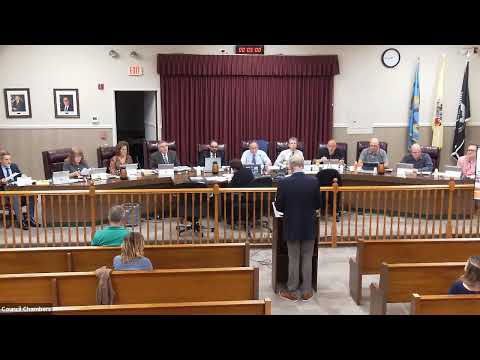
The Sayreville Zoning Board of Adjustment approved an application Sept. 24 for a recessed 24‑by‑30‑foot garage at 20 Orchard Street and discussed the board’s policy of requiring review for garages beyond a small threshold.
Applicant Giovanni Balsamo described the proposed one‑story garage as “about 24 by 30” feet and said it would be used for storage and classic vehicles; he told the board it would include electricity but no plumbing or a second story. “Mainly, just for storage… classic vehicles, bicycles… motorcycles,” Balsamo said.
A motion to approve the application passed by roll call and the chair said the memorializing resolution will be prepared for the next meeting so the applicant may obtain permits.
During general business the board discussed the municipal practice of placing a 150‑square‑foot threshold on garages so most larger garages come before the board. A member described the history: large garages with second stories had been built and used as offices or apartments without oversight, so the board set a 150‑square‑foot review trigger “so that you can put restrictions on it. Make sure it's not being used for apartments. Make sure it's not being used for commercial uses. It doesn't have water and sewer, things like that.” That discussion followed the Orchard Street application and was framed as a policy explanation rather than a new ordinance or formal amendment.
No public speakers opposed the application at the hearing.