Get Full Government Meeting Transcripts, Videos, & Alerts Forever!
Get email alerts on the Special Education topic
No spam. Unsubscribe anytime.
La Jolla ISD lays out multi‑year plan to implement special‑education audit recommendations
Summary
Following a Bellwether audit, the district presented a phased plan emphasizing MTSS rollout, higher‑quality IEPs, inclusive placements and staffing adjustments; trustees heard that early indicators show increased inclusion but acknowledged multiyear work remains.
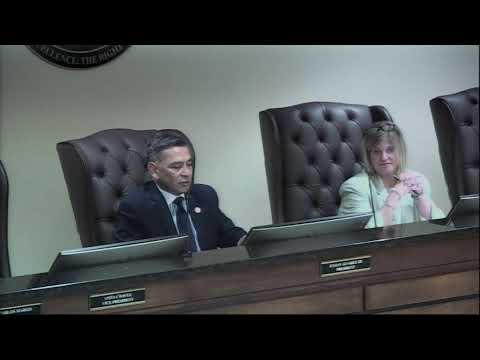
La Jolla Independent School District officials presented Sept. 10 a multi‑year implementation plan to address findings in a recent special‑education audit and to improve outcomes for students with disabilities.
Dr. Little, the district's chief academic leader, summarized the audit's main findings and the district's response framework. The district has prioritized six areas: building a stronger multi‑tiered system of supports (MTSS), producing data‑driven Individualized Education Program (IEP) goals, increasing inclusive placements, aligning strategic staffing, expanding professional learning, and improving family engagement. “The audit really left us with an impact statement,” Little said, adding that the work is “ambitious” and will be multiyear.
Deputy chief Miss Candelario described phased activity for 2025–26: planning and pilot MTSS cohorts with partner EduSolve; full launch and norming on the TEA IEP quality rubric; auditing continuum-of-services placements; and targeted professional learning for special‑education staff and support roles. Candelario said the district plans full‑day trainings for priority groups (counselors, diagnosticians, SLPs, behavior specialists) with monthly cohort meetings and weekly meetings of executive directors.
District staff reported measurable movement in inclusion metrics: the percentage of special‑education students receiving pull‑out resource services less than 20% of the school day dropped from 49% in the previous year to 29% in 2025–26, which staff described as progress though not the final goal. Little and Candelario said data‑system upgrades were necessary to produce the charts and that some reportable data required weeks of cross‑departmental work.
Trustees and the superintendent emphasized accountability. Superintendent Sorensen said any campus that fails to meet a 95% assessment‑participation threshold (a separate district requirement discussed elsewhere in the meeting) will be required to meet personally with her and Dr. Little to explain corrective action plans. The district also flagged staffing shortages in specialized roles and said it expects to bring proposals to the board for stipends and contracted services to address capacity gaps.
Why it matters: students in special education performed below district averages across multiple assessments, and the audit called for systems and instructional changes. The district framed the work as systemic — requiring central office, campus leadership and family engagement — not solely a special‑education program fix.
Next steps: staff said 14 of the audit’s activities are scheduled for this school year and are “on track”; 7% of those are complete. The district will report monthly on exit‑criteria progress and may propose compensation adjustments and contracted services to address staffing shortages.