Get Full Government Meeting Transcripts, Videos, & Alerts Forever!
Get email alerts on the Disability Employment topic
No spam. Unsubscribe anytime.
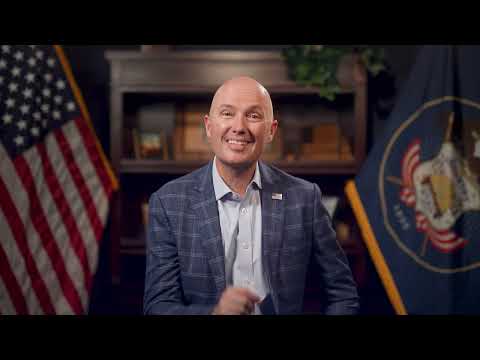
Governor Cox honors employers, youth at Disability in Utah Summit Golden Key Awards
Summary
Governor Cox praised Utah employers and community partners at the Disability in Utah Summit's Golden Key Awards, highlighting the state's long history in vocational rehabilitation and a renewed focus on preparing youth with disabilities for the workforce.
Governor Cox praised Utah employers and community partners at the Disability in Utah Summit's Golden Key Awards, saying the state has a century-long record in vocational rehabilitation and emphasizing efforts to prepare youth with disabilities for work.
Speaking at the summit, Governor Cox said, "it is truly an honor to be part of this celebration," and described Utah's early role in vocational rehabilitation: "We started 1 of the very first vocational rehabilitation programs in the country over a century ago and that legacy continues today through our state office of rehabilitation." He added that "True opportunity begins when we help young Utahns with disabilities prepare for adulthood and the world of work before they even leave school."
The governor named Golden Key scholarship recipients John Wilsey, Madeline Whitaker, Rebecca E. Hein, Brianna Christiansen and Emram Kukoli. He also identified the Golden Key Award winners as Progression for Life; the Utah Veteran Business Resource Center; Daryl Guiver of Mountain America Credit Union; Lovie's Cakes; CleanTech Cleaning and Restoration; and Suncor.
The remarks framed the awards as recognition of businesses and partners "who are champions for hiring and supporting people with disabilities," and said such hiring strengthens businesses and communities. The governor specifically highlighted the state office of rehabilitation for connecting businesses with a "talented job ready pool of workers with disabilities."
The presentation focused on recognition and outreach rather than new policy or formal actions. Details about any follow-up initiatives, funding tied to the awards, or programmatic changes were not specified in the remarks.