Citizen Portal
Sign In

Sun City West centralizes thermostat control to reduce tampering and cut utility costs

5844731 · September 24, 2025

Loading...

AI-Generated Content: All content on this page was generated by AI to highlight key points from the meeting. For complete details and context, we recommend watching the full video. so we can fix them.

Summary

Sun City West facility staff described a centralized HVAC control system that sets occupied and unoccupied temperatures across dozens of units, reduces run time and utility costs, and channels resident temperature requests to facility staff or club presidents.

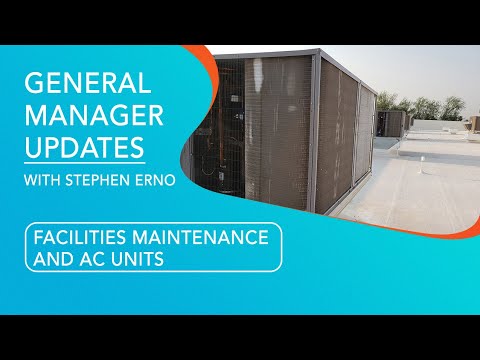
Sun City West facility staff said a centralized control system now manages most rec-center heating and cooling, limiting manual thermostat adjustments and reducing utility use.

The system, overseen by the facilities maintenance group, holds daily schedules and separate occupied and unoccupied set points for spaces such as exercise areas and clubrooms. "After 4, it's gonna not cool until or not heat until it get drops to 65 and no cooling until 85," said Russ Boston, facility maintenance manager, describing the automatic overnight set points that put units into a dormant mode when buildings are closed. Boston later pointed to a sensor error on the system and said, "we gotta fix [it] because it's not 572 degrees in that space."

The controls replaced simple wall thermostats installed before 1999, which staff said were vulnerable to manipulation. Boston described earlier wall units having ventilation slots that residents could block — staff said popsicle sticks were sometimes used to change readings — and lock boxes did not prevent that problem. The centralized system gives facilities maintenance remote set points and limits, which staff said prevents tampering and short, uncontrolled runtime across dozens of units.

Boston said about 250 HVAC units exist across Sun City West facilities, though not all are on the centralized system. Stephen, the video presenter, noted the community has about 28,000 members and observed it is difficult to satisfy everyone's comfort preferences. Boston said exercise and fitness areas are typically set between 68 and 70 degrees Fahrenheit, while clubrooms have temperatures set according to planned activities and through requests channeled by club presidents.

Staff described the process for addressing individual comfort complaints: residents should contact the facilities assistant or, if the issue concerns a club space, the club president, who will reach out to facility leads and facilities maintenance as needed. Boston said facilities maintenance works with facilities operations to align schedules and reduce run times in winter and summer, aiming for energy savings.

The presentation is part of a facilities tour and training called Torch; Stephen encouraged viewers to learn more, saying, "please sign up for Torch if you wanna learn more about this and other inner workings of the rec centers." No formal votes or policy changes were taken during the recorded segment.

For now, staff said the centralized controls and monitoring are intended to limit manual overrides, identify faulty sensors, and cut utility costs while giving club leaders a channel to request adjustments.