
Renton Technical College expands Spanish-language early childhood cohort and allied‑health access aimed at nontraditional students
Get AI-powered insights, summaries, and transcripts
Subscribe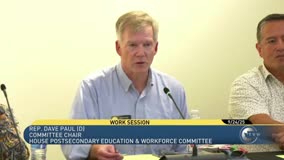
Summary
Renton Technical College presenters told lawmakers the college serves many nontraditional students (median age ~30), highlighted a Spanish‑language cohort in early childhood education that used evening/hybrid delivery to boost enrollment, and described steady enrollment growth amid recent state budget cuts.
Renton — Renton Technical College administrators and faculty told the House Postsecondary Education & Workforce Committee that the colleges workforce programs target nontraditional students and that targeted delivery and wraparound support improved access and completion for under‑served learners.
"Our headcount is about 7,500," RTC President Doctor Harden said during a tour and work session at the Renton campus, adding that the colleges median student age is 30 and that 72% of students identify as people of color. Harden said enrollment was 10% over the prior year despite state budget cuts that forced about $2.4 million in reductions and the elimination of nine programs and about 25 positions.
Faculty described a Spanish‑language early childhood education (ECE) pilot that moved from daytime, in‑person delivery to evening, hybrid and Spanish‑language instruction and that paired multi‑step evening info/application/registration sessions with coordinated financial‑aid help. "We started to provide in‑person support sessions for those students because we saw technology and navigating the website, admin, admission, and everything has been challenging," Beatrice Fogg, program director, said. The cohort included translation of course material, Spanish outreach, and evening sessions that allowed family members to attend; program leads said many students enrolled simultaneously in English classes and ECE courses to develop both spoken and written English skills.
Zephyr Scogin, interim dean of health programs, said RTC has grown allied health enrollment, with notable increases in nursing and short certificate programs (phlebotomy, central services). Warren Takata, dean of workforce, showcased a cybersecurity analyst pathway with flexible scheduling, hands‑on lab work, industry certification preparation, and partnerships to create experiential learning and high‑school to college pathways.
Why it matters: presenters emphasized that nontraditional students often carry work and family responsibilities and that program design (evening/hybrid delivery, language access, navigators, and targeted supports) increases enrollment and completion. Committee members asked how the Legislature and employers could help expand capacity; college leaders suggested business partnerships, private grants and restored state funding as key supports.
Context and constraints: college leaders noted a recent state budget shortfall and urged partners to consider investments that complement existing state and private grants, and to coordinate navigators and student supports to improve access.