
New oversight committee formed to map construction training in prisons; report due to Legislature in October
Get AI-powered insights, summaries, and transcripts
Subscribe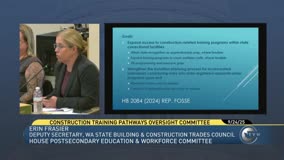
Summary
House Bill 2084 established a Construction Training Pathway oversight committee to inventory and coordinate construction training in correctional facilities and to explore connections to apprenticeship, with the Office of the Correctional Ombuds designated to manage the effort.
Olympia — Lawmakers and building‑trades advocates briefed the House Postsecondary Education & Workforce Committee on legislation meant to coordinate construction‑training and apprenticeship pathways inside Washington correctional facilities.
Erin Fraser of the Washington State Building and Construction Trades Council summarized the intent of House Bill 2084: the law creates a Construction Training Pathway oversight committee (CTP) to bring stakeholders together to catalog what construction‑related training currently operates in prisons, determine whether any offerings can be state‑recognized as pre‑apprenticeship, and design transition planning so incarcerated students have direct connections to apprenticeship sponsors prior to release.
"We couldn't answer a lot of whys in this space," Fraser said, explaining that the committee will investigate gaps and recommend coordinated changes. The office of the Correctional Ombuds will host the committee and Nick Brock has been hired to manage the oversight process. Fraser told the panel the committee has convened and formed subcommittees and that an initial report is due to the Legislature in October 2025.
Why it matters: presenters and advocates said better coordination could turn in‑facility construction training into formal pathways into registered apprenticeship and reduce barriers to placement on release. They also noted legal and logistical obstacles to in‑prison programming and stressed the need for stakeholder input before recommending prescriptive policy changes.
What the committee asked: lawmakers requested clearer inventories of which prison programs currently articulate into apprenticeship and what resources would be required to scale recognized pre‑apprenticeship across facilities. Presenters said the oversight committee will address those questions in the upcoming report.