
State pilot "Construct a Career" reports high retention after navigators and small wraparound grants for apprentices
Get AI-powered insights, summaries, and transcripts
Subscribe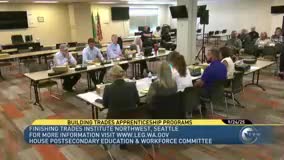
Summary
Construct a Career, a grant-funded navigation and support pilot, reported nearly 1,200 enrolled, about 775 in apprenticeship and a 94% retention rate among engaged apprentices; program leaders said targeted outreach and case management plus modest grant assistance improved first-year persistence.
Seattle area — Nicole Miller, who runs the Construct a Career initiative (grant-funded under the Washington State Building Trades Council), told the House committee that the pilot program has enrolled nearly 1,200 people since March 2024 and that navigators and small wraparound supports correlate with higher first‑year retention among apprentices.
"We've had just shy of 1,200 enrolled in CCI," Nicole Miller said. "About 775 are in apprenticeship currently with one of our affiliated trades." Miller said the program has assigned five navigators across the state who provide one‑on‑one case management, individualized participation plans and targeted outreach to under‑represented groups.
Construct a Career combines three pillars: outreach and education, navigator case management, and limited wraparound support funds. Miller told the committee the program made roughly 3 contact attempts with each interest form submitter, enrolled about 62–65% of respondents, and spent just over $450,000 on supports across 18 months. The most common requests were for transportation, temporary lodging for out‑of‑area dispatches, and work clothes/tools.
Program figures that Miller shared with the committee showed that 64% of participants received some funding; average funding per person was about $600, and among apprentices served the program funded 85 individuals. Miller said that while funded aid helped, the navigational support and barrier identification appeared most correlated with retention: among 1,200 active cases, roughly 775 were active apprentices and only 42 cancellations were recorded, yielding a 94% retention rate for engaged participants.
Why it matters: committee members asked how states and colleges can direct interested students to apprenticeship pathways. Miller said the pilot functions as a single, up‑to‑date hub for program information and a warm‑handoff resource for high school counselors, one‑stop partners and community organizations. She told lawmakers the program aims to reduce misleading or siloed information and lower entry barriers for under‑served populations.
Context and limits: Miller said the pilot began in January 2024, started enrolling in March 2024, and is asking for a one‑year extension through September 2026. Funding is grant‑based and non‑renewable for each participant; Miller cautioned that support funds have ceilings and that the program extensively refers participants to other funding sources such as the Washington Grant for apprentices and Working Family Hardship grants.
Quotes and first references in this article are limited to program staff and verified presenters at the committee work session.