
Philippine hospital group offers specialists, telemedicine and community screening in Guam
Get AI-powered insights, summaries, and transcripts
Subscribe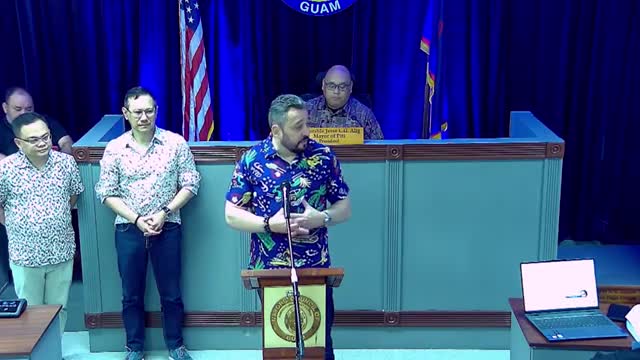
Summary
Representatives from a Philippine hospital group described plans to work with Guam partners on community-based screening, specialist visits and telemedicine while asking local officials to define needs and regulatory limits.
Representatives from The Medical City, a Philippine hospital group, told members of the Mayor’s Council of Guam that the hospital can provide specialists, telemedicine and community-based screening if local partners and regulators guide how that support should be deployed. "We have 73 clinics across the country," the representative said, citing the network as a resource for staffing and outreach.
Why it matters: The proposal comes after a visiting delegation toured villages and met local officials, and it seeks to expand access to specialty care, follow-up and early screening for noncommunicable diseases, areas local leaders said they have struggled to sustain.
The visitor framed the offering as partnership rather than a unilateral program. "We don't think we're any better than the doctors in Guam," the representative said. He said The Medical City has worked to qualify some Philippine physicians to practice in Guam and currently has "around 7 doctors" who can, and that the broader Philippine network includes many more clinicians: "we literally have, like, 5,000 doctors, I think, in our network in The Philippines." He named gaps he heard in local meetings, including shortages of OB-GYNs and pediatricians, and offered to sponsor Philippine doctors to sit for U.S. board exams so they could work on-island.
The representative described program elements he and his team discussed with local leaders: village-level screenings for blood pressure, diabetes and other noncommunicable diseases; linking people identified at screening to follow-up care; and telemedicine back-up from Philippines-based physicians. He acknowledged licensure and regulatory limits, saying, "we just need to know what the regulations are around that, and we need your guidance on that and to work with local partners." He repeatedly asked local officials what the communities want and need and said the group would not proceed unless there were long-term, sustainable arrangements.
Local officials at the council meeting stressed continuity of care and telemedicine as priorities. One council member said: "telemedicine is certainly something that we we we should, you know, work on," adding that follow-up appointments held by Zoom demonstrated the approach’s potential.
Discussion versus action: Council members and visiting health representatives held a fact-finding discussion; the transcript records no formal motion, allocation of funds, or regulatory decision authorizing foreign clinicians to practice in Guam. The delegation asked for guidance on licensure and logistics; local officials agreed to continue discussions and to involve relevant local agencies.
Background and constraints: The visitor repeatedly emphasized that Philippine clinicians are trained for the Philippines health system and that any program would require local partnership and adherence to Guam regulations. The Medical City representative said nurses from the Philippines are not automatically eligible to work in Guam: "they're not registered nurses in Guam, right? And they would need to be." He also said some Philippine doctors have been qualified to work through Guam’s existing hospital arrangements and that the group prefers to deploy specialists in coordination with Guam providers to avoid duplicative or unsustainable care pathways.
What’s next: The group requested local guidance on regulatory requirements for telemedicine and licensure, and officials at the meeting agreed to continue discussions and share information about needs in specific specialties and clinically appropriate delivery models.