Get Full Government Meeting Transcripts, Videos, & Alerts Forever!
Get email alerts on the Waste Management topic
No spam. Unsubscribe anytime.
Small landlords and residents criticize Schenectady’s garbage-sticker program at council meeting
Summary
Landlords and residents said the city’s sticker-based trash program is inconvenient, punitive to small landlords and may increase eviction risk; speakers urged a tiered charge based on units or assessment.
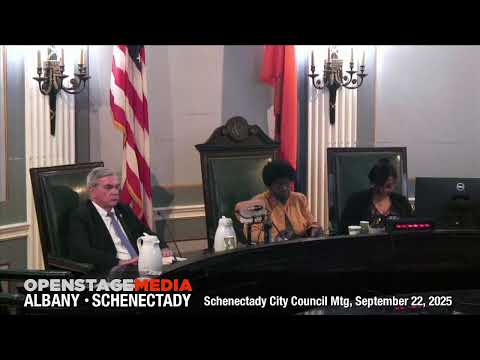
Several speakers at the Sept. 22 Schenectady City Council meeting criticized the recently implemented garbage-sticker program, calling it inconvenient and unduly punitive for small landlords and renters.
Chris Morris, speaking for a small-landlord group (SLIC, Schenectady Landlords Influencing Change), said landlords are struggling with rules that make them responsible for tenant compliance and criticized the logistics of acquiring stickers during work hours. He urged the city to adopt a simpler tiered fee tied to the number of units at an address rather than the current sticker process.
Mohammed Hafiz, who described receiving a violation over a mattress left at the curb, said the program’s enforcement is disproportionately burdensome. Hafiz recounted that nuisance inspectors photographed the mattress, researched the property owner, issued a violation by mail and then called the truck back to pick up the mattress — actions he said wasted inspector time and could lead to eviction if tenants repeatedly fail to comply.
Hafiz and Morris both said revenue reported by the city (about $17,500 in the first six months, as cited to a local newspaper) does not justify enforcement costs, including nuisance-inspector staffing. Morris said the process of obtaining stickers — including parking and cash-only payment at City Hall (later clarified by staff as accepting guaranteed funds) — deterred compliance.
Council discussion at the meeting included a committee report on the sticker program (referenced by commenters) but the transcript does not record a new policy vote. Council staff later clarified that the payment methods include cash or guaranteed funds such as bank checks. Commenters urged the council to explore a tiered charge based on unit counts or assessed value to reduce administrative friction and eviction risk.