Get Full Government Meeting Transcripts, Videos, & Alerts Forever!
Get email alerts on the School Climate And Student Handbook topic
No spam. Unsubscribe anytime.
Board approves updated student handbook to implement new state school-climate rules
Summary
The Bridgeport Board of Education on Sept. 22 approved an updated student handbook that implements Connecticut’s new school‑climate and bullying requirements and adds procedures for reporting and addressing “challenging behaviors.”
The Bridgeport Board of Education on Sept. 22 approved an updated student handbook that implements Connecticut’s new school-climate and bullying requirements and adds procedures for reporting and addressing “challenging behaviors.” The board approved the handbook after an amendment to change a page‑18 entry to “McKinney Vento liaison.”
The handbook update responds to a new state requirement for school districts to develop school‑level climate plans, board members and staff said. “I wanna emphasize board that this is a a new requirement for the state of Connecticut,” Dr. Young, the district director of social work services, told the board during a presentation on the plan.
Why it matters: The changes alter how Bridgeport schools will document and respond to bullying and a broader category the state now calls “challenging behaviors.” Schools must name a climate specialist, assemble multidisciplinary teams and file new forms so incidents can be tracked and reviewed districtwide. The handbook approval triggers a rollout that district leaders say will include translated copies and recorded staff training.
District staff described the requirements and how they will be implemented. “Those plans are due on November 25,” Dr. Young said, explaining that each school must set up a climate committee and a trained climate specialist to develop a plan addressing school climate, bullying and challenging behaviors. Carly Rotor Reyes, director of school counseling and partnerships, described attendance and tiered supports connected to the climate work: “Truancy benchmarks are for unexcused absences. A intervention needs to be put into place at 2, 4, 6, 8, and 10, 15, and 20 unexcused absences.”
The handbook also adds forms and procedures so teachers, staff and parents can report concerns and have them reviewed by a multidisciplinary team using MTSS (multi‑tiered systems of support). Dr. Young and Reyes said the district has created a school crisis team that can be deployed to campuses following incidents to assess and stabilize climate.
Board members raised concerns about the breadth of the new “challenging behavior” category and the workload created by required reporting. Board member Joseph Sikalovic noted the district has relied on school climate personnel before, but several trustees warned that the new rules could lead to many more referrals and add administrative burden to schools.
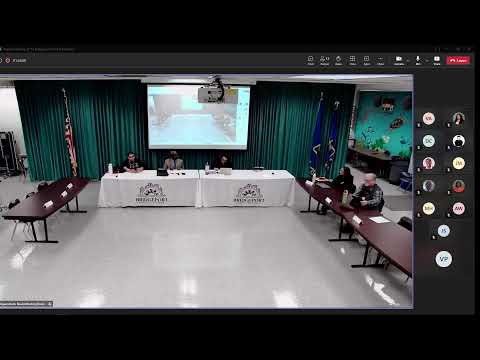
On procedure, the board moved to approve the handbook. The main motion to adopt the updated student handbook was moved by Joseph Sikalovic and seconded by William Medina. Board members then approved an amendment to change the reference on page 18 to the McKinney‑Vento liaison; the amendment was seconded and passed. The handbook was approved as amended; the board chair announced there were no recorded oppositions or abstentions.
District staff said the approved handbook will be translated and shared with families and staff and that prerecorded training will be provided for teachers and students. Dr. Young and Reyes said administrators will use the recent school climate survey data and the new forms to prepare school plans before the Nov. 25 deadline.
Board members asked staff to provide summaries and presentations on the climate survey results and to work with committees so school‑level implementation is monitored. The superintendent said staff will return with measurable implementation steps and timelines.
A copy of the revised handbook will be posted and distributed to schools once the administrative edits and translation are complete. Board members indicated they expect follow‑up presentations and committee review as schools begin filing their required climate plans.