Council approves 35‑year economic participation deal for 7,500‑seat arena, mixed‑use entertainment district at Kilgore Road
Loading...
Summary
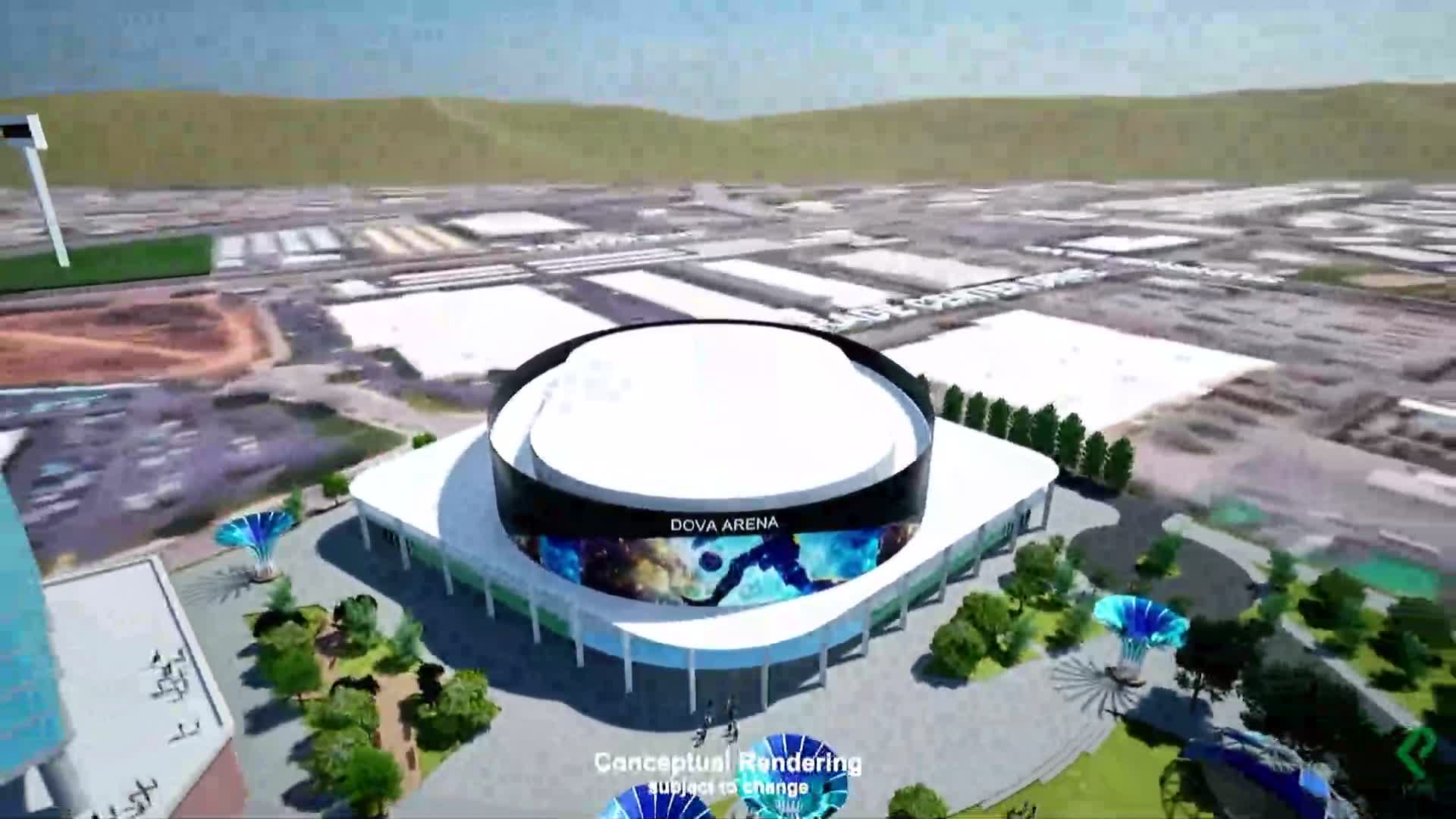
The Rancho Cordova City Council approved a 35‑year economic development participation agreement for a privately financed, sports‑anchored mixed‑use entertainment district near 2875 Kilgore Road that includes a 7,500‑seat arena, at least 640 residential units, hotels, retail and a public plaza.
The Rancho Cordova City Council adopted a resolution approving a 35‑year economic development participation agreement and CEQA exemptions to enable a privately financed mixed‑use entertainment district near 2875 Kilgore Road. The project proposal, put forward by CausePure Development and Alpha 1 Sports Entertainment Group, would be anchored by a 7,500‑seat arena designed for Major Arena Soccer League (MASL) teams and include at least two hotels, a retail/dining district, a public plaza and a minimum of 640 residential units. The motion passed on a roll call vote of 5‑0.
City staff described the EDPA as a shared‑revenue, private‑financing model that dedicates new project‑generated sales tax and transient occupancy tax (TOT) revenue to the project without advancing general‑fund debt. The EDPA establishes a 35‑year term and commits the city to process CEQA and land‑use entitlements and consider fee reductions and incentives tied to project implementation. The agreement contemplates future actions—such as formation of a tourism business improvement district (TBID), consideration of special taxes or self‑assessments, and subsequent development agreements—to detail financing and public‑benefit obligations.
Developers Josh Wood and Caleb Quang presented renderings and a project concept described as a transit‑oriented development about a quarter‑mile from the light‑rail station. Architect Don Dethleff of Perkins and Will described a transparent indoor–outdoor design with terraces and a flexible bowl intended to seat about 7,500 for arena soccer and more than 8,000 for end‑stage concerts. Market and feasibility analyses presented by Network Advisory and Varshney & Associates estimated the project could generate roughly $4.5 billion in economic output and about 37,000 job‑years over a 12‑year period; developers emphasized local hiring goals and union construction commitments.
Public comment showed significant local support from building trades and labor representatives (NorCal Carpenters, Ironworkers, IBEW Local 340 and others), representatives of local youth sports clubs, community nonprofit leaders, and multiple business owners. Speakers raised implementation matters: traffic and street capacity on two‑lane Kilgore Road, parking sufficiency, protection of nearby historic resources (the American River Grange and an 1855 railroad house), and the need for robust community outreach and disability‑accessible facilities.
Staff noted the city owns 13 acres of land on Kilgore Road that may be dedicated to the project and that an adjacent parcel near Kilgore Cemetery could be used for parking or future cemetery expansion. The EDPA requires subsequent, detailed development agreements and specific fiscal analyses; staff and the developer said no general‑fund subsidy is required up front and that new revenues would be shared under stated percentages in the draft agreement.
Councilmembers praised the locally led proposal and its fiscal model. Councilmember Sander described the item as the result of more than 20 years of regional economic development work, and several councilmembers and union leaders emphasized local job creation and apprenticeship opportunities. The council adopted the resolution approving CEQA exemptions and the EDPA and authorized the city manager to execute the agreement.