
Witnesses tell congressional subcommittee USDA rural development programs support hospitals, businesses and basic utilities
Get AI-powered insights, summaries, and transcripts
Subscribe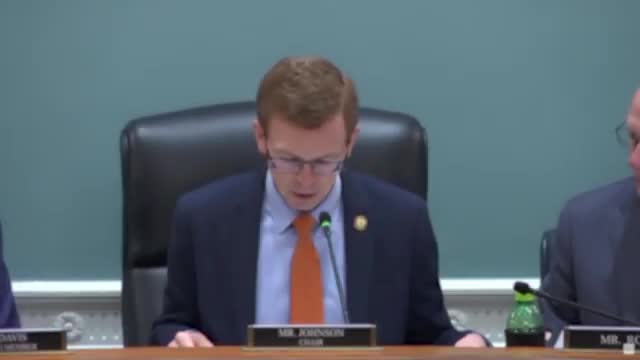
Summary
At a congressional subcommittee hearing, witnesses said USDA Rural Development programs — including the Community Facilities program and the Business and Industry (BNI) loan guarantee — are vital for keeping rural hospitals open, supporting small businesses and expanding basic utilities such as running water.
At a congressional subcommittee hearing, witnesses said USDA Rural Development programs are essential to keeping rural hospitals open, supporting small businesses and extending basic utilities such as running water.
The witnesses described how the agency’s Community Facilities program and the Business and Industry (BNI) loan guarantee program provide funding that officials and local leaders say helps sustain rural hospitals, builds community infrastructure and supports job creation.
"Today we're going to hear from, great rural leaders and former USDA rural development officials about why the programs and services that, rural development provide to, rural America are so incredibly important," Speaker 1, unidentified meeting participant, said at the start of the hearing. Speaker 3, unidentified participant, described the Community Facilities program as one source of affordable funding to "build and construct essential rural community facilities, such as fire houses, police stations, and community centers." The program was credited with helping finance a recent ribbon-cutting for "Fire Station Number 2," which the speaker said "could not have happened without rural development."
Speakers cited data about the BNI loan guarantee program. "From 2014 to 2022, the BNI program created more than 750,000 jobs in rural America and at a federal cost of just $438 per job," Speaker 5, unidentified participant, said. The same witness also said counties that received BNI investments experienced sustained employment growth and higher wages after the initial investment, and that a "1% increase in BNI investment translates into a point 55% increase in state sales tax revenue."
Discussion at the hearing included the condition of rural health services and basic utilities. Speaker 7, identified in the transcript as a county commissioner, urged maintaining existing funding streams and developing new delivery models: "We need to look at new solutions in rural communities. The old models aren't working, and we need to have the capacity to pull together models that might be combining with another county, combining with other entities in the region and looking at a new way of delivering it. And we need the funding." The county commissioner called the situation "really pushing up to the crisis level, in rural America."
A witness also said access to running water remains a problem. "Believe it or not, there are still people living without running water. They have to haul water their homes to drink and bathe," Speaker 2, unidentified participant, said, adding the statement was made in "02/2025." Another participant framed rural development work as supporting community values and civic resilience.
No formal motions or votes were recorded in the transcript provided. The hearing consisted of statements, data presentations and discussion; witnesses and participants repeatedly emphasized the need to preserve and, where possible, expand funding for USDA Rural Development programs and explore regional or multi-county delivery models for services.
The hearing combined program examples, data and personal accounts to make the case that rural development programs provide significant economic returns and practical support for essential services. Witnesses urged Congress and federal agencies to maintain funding and flexibility for these programs so rural communities can continue to access services ranging from fire stations and hospitals to water and broadband.
Looking forward, witnesses recommended preserving existing program funding, experimenting with regional delivery models, and ensuring agencies maintain staff with rural experience who can apply program flexibilities during disasters and to reduce application burdens for small communities.