
North Scott presenters describe districtwide rollout of Character Strong social-emotional program
Get AI-powered insights, summaries, and transcripts
Subscribe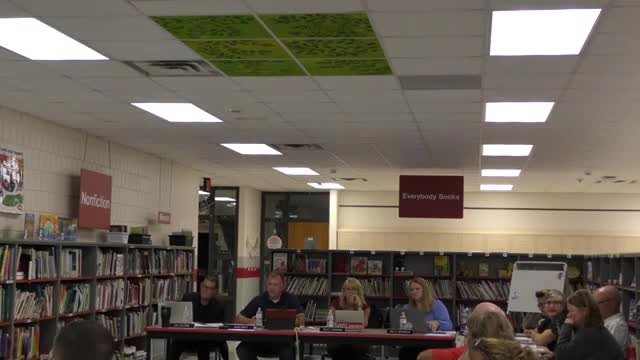
Summary
Neil Armstrong Elementary staff told the North Scott School Board on Sept. 22 that the building is using the Character Strong curriculum districtwide to teach social-emotional skills to PreK–6 students.
Neil Armstrong Elementary staff told the North Scott School Board on Sept. 22 that the building is using the Character Strong curriculum districtwide to teach social-emotional skills to PreK–6 students. The program pairs brief, teacher-led morning meeting components with a weekly 30-minute counselor lesson and targeted small-group supports for students who need extra help.
School Counselor Jill, the presenter, said the program’s classroom components are intended as Tier 1 instruction and occur “three to five times a week” in class, while counselors deliver a longer weekly lesson (the program’s “grow” component) and run Tier 2 small groups for students who do not master the skills during Tier 1 instruction. “The grow section is typically a 30-minute section…that’s what the counselors are delivering at the elementary level,” Jill said.
Board members and school staff said the curriculum helps unify what teachers and counselors already teach and reduces lesson prep time for teachers. Jill said a practical benefit is consistent language and materials across classrooms and grade levels so students hear the same messages from classroom teachers, counselors and small groups. She described the program structure as start → connect → grow → respond → exit and said lessons address social skills, effective functioning and emotional regulation.
The districtwide rollout is funded in part by Scott County Kids, which Jill and others cited as covering purchase of the curriculum. Jill said the program also includes parent-facing materials she can send after Tier 2 group meetings so families know what students are learning.
Staff and board members described early implementation challenges. Jill said the curriculum contains more content than can easily fit into the school year, and counselors are working to prioritize essential components and pace delivery consistently across buildings. Board member Carrie asked whether counselors and principals meet to calibrate delivery; staff answered they do and that committee discussions will continue as the program matures.
Jill described early Tier 2 results as promising: small groups use the same characters and videos as classroom lessons, allowing students to make clearer connections between whole-class instruction and targeted support. She said she currently runs multiple small groups and that the structure has allowed her to run more groups efficiently than prior ad hoc materials did.
Jill said the program ties to the district’s PBIS and data collection: exit tickets and other measures are used to see whether students can transfer classroom learning to everyday behavior. She said staff will review year-end data to decide where to adjust pacing or add time on particular topics.
Board members thanked staff for the presentation and noted the districtwide adoption aligns neighboring Quad Cities districts on similar SEL materials, easing transitions for students who move among local districts.
Less critical details: staff said the sixth-grade model and the middle-school model use a similar start/connect/content/exit format; early lessons in the building focused on responsibility and bullying, with students examining board policy language as part of a lesson. Jill invited board members to observe lessons and noted the curriculum supports both classroom teachers and counselors.