Get Full Government Meeting Transcripts, Videos, & Alerts Forever!
Get email alerts on the Pet Licensing Fees topic
No spam. Unsubscribe anytime.
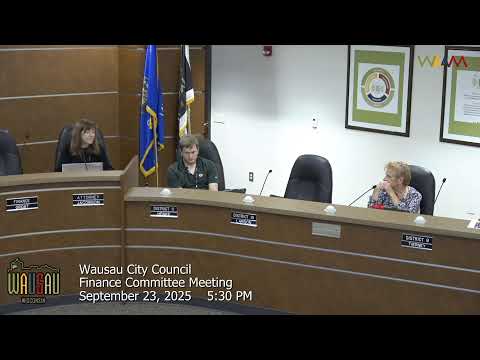
Committee approves higher pet license fees and reduced microchip discount; vote 4-1
Summary
The finance committee approved amendments to the 2025 pet licensing fees to reflect Marathon County's fee increase and to offset local administrative and enforcement costs; the motion passed 4-1 with Alder McElhaney voting no.
The City Council Finance Committee on Sept. 23 approved an amendment to the 2025 fee schedule that raises pet licensing fees to reflect Marathon County's recently approved increases and to offset rising local costs. The motion passed 4-1; Alder McElhaney cast the lone no vote. City staff told the committee Marathon County increased its licensing fee by $10 for unspayed/unneutered dogs and by $7 for spayed/neutered dogs. "The county is increasing their fees $10 for non neutered or spayed dogs and $7 for spayed and neutered," a staff member said during the meeting. To cover the county increase and additional city costs, the committee approved raising the city's fee for spayed/neutered dogs from $20 to $30 and raising the fee for unspayed/unneutered animals from $62 to $75. The city also will reduce the microchip discount from $8 to $5 and add roughly $6 to the city's portion on spayed/neutered licenses, staff said. Staff explained the city collects the county portion on behalf of Marathon County and remits it to the county; issuance of the county fee will take effect for licenses the city begins issuing in November. Staff advised that the 2026 budget currently does not cover construction of the solar project (discussed elsewhere) and that the city is seeking other revenues to manage cost pressures. Committee members and staff discussed how licensing revenue supports enforcement. City staff said 100% of city licensing receipts are used first to offset the direct cost of licensing (tags, postage and issuance) and that remaining revenues go toward animal enforcement. Staff provided the following enforcement-related budget details: three community service officers (CSOs) perform animal enforcement up to 20 hours per week with an annual budget in the range of $68,500–$70,000; the city budgets for 250 non-dog strays at $185 per animal under a contract with the Humane Society; held-for-cause placements cost approximately $175 on day one and $16 per day thereafter, plus veterinary bills. Staff cautioned those lines can fluctuate if the city handles an unusually large animal case load. When asked about the microchip discount as an incentive, staff said the $8 discount had limited effect on owner behavior and recommended simplifying the discount; committee members also noted free microchip clinics as another incentive for owners. Alder Tierney moved approval of the fee schedule amendments and Alder Watson seconded. The committee recorded one no vote from Alder McElhaney and carried the motion by a 4-to-1 margin.