Get Full Government Meeting Transcripts, Videos, & Alerts Forever!
Get email alerts on the Transportation Energy Pipeline topic
No spam. Unsubscribe anytime.
Council refers question on US Venture fuel-transport project for more information
Summary
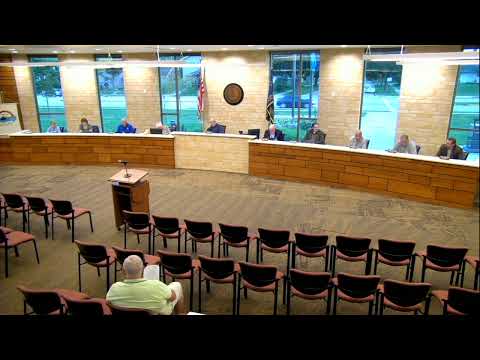
City council members heard a presentation about a proposed buried fuel line and barge transport project that would shift fuel deliveries from tanker trucks to barges and voted to refer the grant-support request to a future meeting while requesting studies and safety documentation.
City of St. Francis officials on an item requested by State Representative Christine Znicke heard a presentation about a regional project to move petroleum by barge and underground pipeline and voted to refer a request for a letter of support for a federal PIDP grant application to a future meeting while staff seeks additional study materials.
The project, presented by Mark Rapal, would add a buried pipeline along the railroad corridor near I-794 to enable barge deliveries that could substitute for thousands of repeated 7,000-gallon tanker truck trips between Green Bay and Milwaukee. Rapal said the proposal would “help fund the Lake Michigan Maritime Highway Transportation Energy Project” and that proponents seek letters from communities that would benefit.
Council members and others raised safety, cost and emergency-preparedness questions. One speaker expressed concern about potential ecological risk, saying the project would move “4,200,000 gallons of petroleum products on Lake Michigan,” and asked for safety documentation. A councilmember moved and the body voted to refer the request to the next meeting and asked staff to determine whether feasibility studies, emergency response plans, cost estimates or other documentation already exist.
Why this matters: council members said the item has regional transport and environmental implications beyond local permitting, and they wanted more evidence before supporting a federal construction grant. Council discussion noted the project would shift some highway tanker traffic to barge transport but that information about costs, environmental risk assessment and emergency preparedness had not been presented to the council.
Details from the meeting record: Rapal described the current situation as repeated tanker trips and said a buried line along the I-794 rail corridor would connect to barge traffic that travels to Green Bay. Council members asked whether the line would be buried (Rapal: yes), where the line would run (Rapal: along the railroad near 794), and whether the grant would fund construction (Rapal: proponents say it would help construct it). Members asked for cost and feasibility studies and for emergency-preparedness plans to be provided before a final support decision.
Next steps: the council formally referred the request to the next meeting and asked staff to seek any existing studies and emergency-response documentation that proponents may have prepared. No formal endorsement or letter of support was adopted at this meeting.
Ending: The referral leaves the council able to request further materials from project proponents and to schedule the item for a subsequent meeting when staff and members have had time to review feasibility and safety documents.