
Appeals court hears challenge to denial of extension for abuse-prevention order after 'stealthing' allegation
Get AI-powered insights, summaries, and transcripts
Subscribe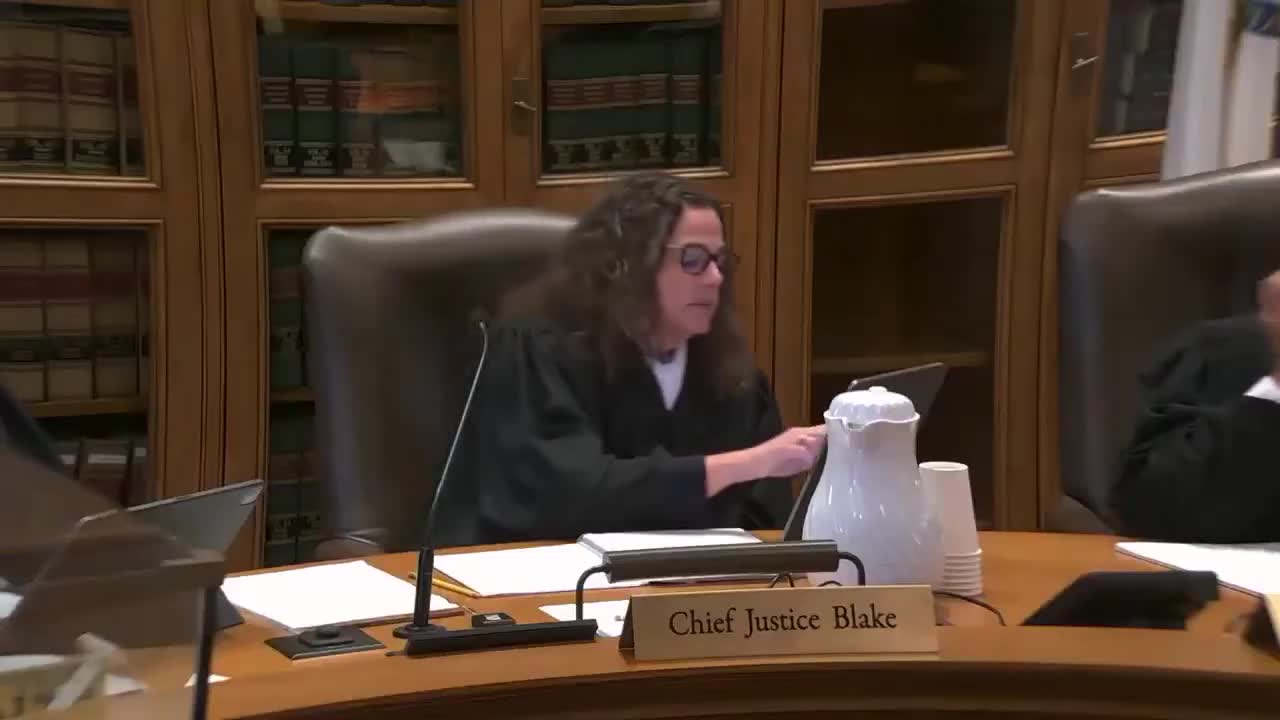
Summary
BOSTON ' The appeals court heard a challenge to a trial judge's decision not to extend an abuse-prevention order after an alleged condom-deception incident; the appellant argued the record did not show the judge applied the correct legal standard for extension.
BOSTON — The Massachusetts Appeals Court heard argument in a civil appeal over denial of an extension of an abuse-prevention order in a case where the plaintiff alleged nonconsensual sexual contact described at trial as a condom deception (commonly called "stealthing"). The appeals argument focused on whether the trial judge applied the correct standard and whether the record supported denial of a longer protective order.
The plaintiff's appellate counsel told the panel that at the initial hearings the plaintiff reported the defendant showed a firearm, that the incident occurred at the plaintiff's home, and that she remained reasonably fearful and disturbed by the encounter. Counsel asked the appeals court to remand because the April hearing record did not state what legal standard the judge used when declining to extend the order and the only items the judge appeared to reference were the criminal case's status and the defendant's compliance with the order.
The judge at the lower court had previously been presented with testimony that the plaintiff "was sleeping with a broom behind [her] doors" and that she felt uncomfortable in proximity to the defendant. Appellate counsel argued the transcript lacks a clear articulation of whether the judge applied the objective standard required for extension under G.L. c.209A and requested that the appeals court direct a remand so the trial court can apply and record the correct standard.
Why this matters: abuse-prevention-order extensions require the trial court to find that extension is "reasonably necessary for the plaintiff's protection," a standard with both objective and contextual elements. Appellate review looks for a clear record that the trial judge applied the correct legal test.
The panel questioned counsel whether post-judgment material not in the trial record could be considered on appeal; counsel acknowledged she had submitted a Rule 18(g) motion to add social-media posts and other material but that the motion had not been decided by the trial court and the material was not part of the April hearing. The panel emphasized the appeals court's general duty not to receive new evidence on appeal absent narrow exceptions.
The appeals court took the case under advisement.
Speakers included Erica Dennery for the appellant, and the panel reserved decision.