
Appeals court weighs ineffective-assistance claim in Mulcarn drug-trafficking case
Get AI-powered insights, summaries, and transcripts
Subscribe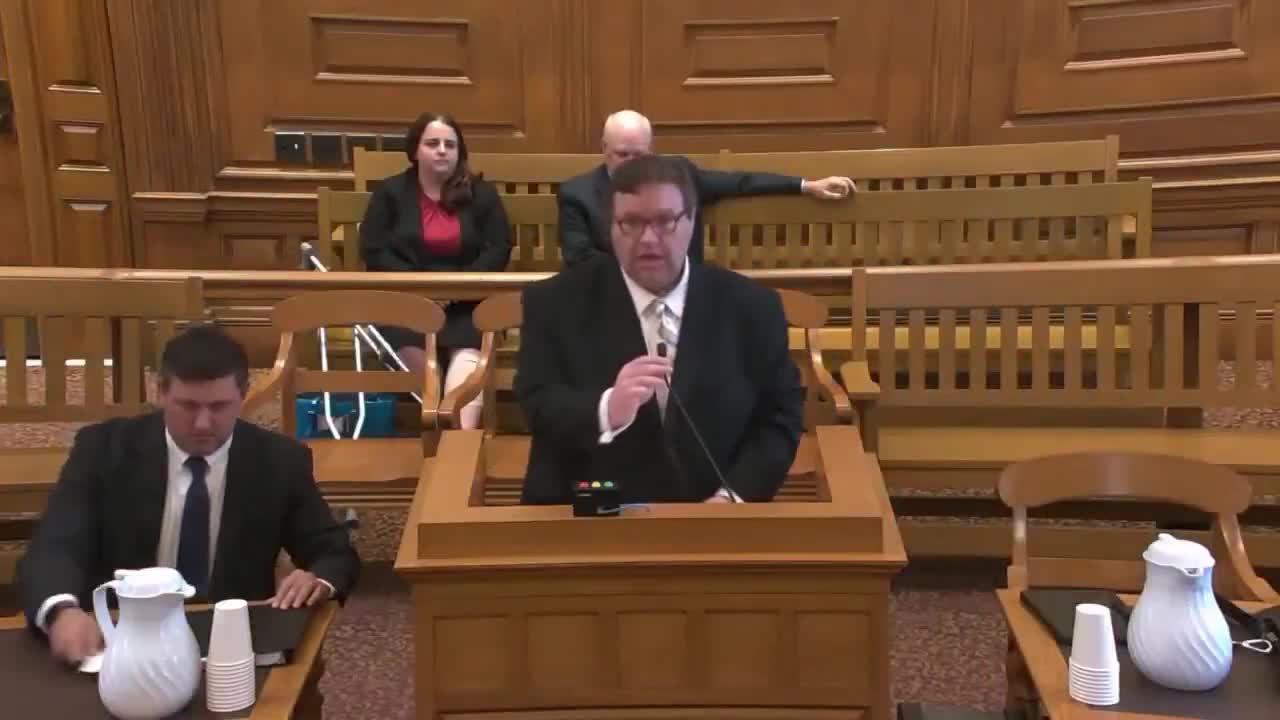
Summary
Appellate advocates debated whether defense counsel's advice to waive a jury and pursue a judge trial amounted to constitutionally deficient performance, and whether the defendant would have accepted a plea that would have given a shorter sentence.
BOSTON — In an appeal from convictions in a drug-trafficking case, attorneys argued before the Massachusetts Appeals Court over whether trial counsel provided constitutionally adequate advice about plea offers and whether the defendant's decision to proceed to a bench trial amounted to ineffective assistance.
Attorney Joshua M. Daniels, arguing for the defendant Daniel Mulcarn, told the panel that the case falls into a difficult subset of ineffective-assistance claims: where the client was advised to seek a judge trial and was convicted of lesser charges despite a very strong lead count at indictment. Daniels told the court that the lead indictment carried an eight-year mandatory minimum sentence and that the most generous plea on the table before trial was a "soft 5 and a half to 7" range, which he said created a substantial delta from the mandatory-minimum sentence ultimately imposed.
"I don't think there is any rational explanation for going to trial when you have no defense," Daniels said in urging reversal, arguing the record shows counsel advised Mulcarn to waive a jury and that Mulcarn followed that advice.
The Commonwealth's lawyer, David McGowan, urged the court to affirm denial of the defendant's motion for a new trial, arguing that experienced counsel reasonably described the case as a "jump ball" in light of suppression-hearing issues and discrepancies among officers' accounts. McGowan said counsel properly explained the risks and that the defendant made the choice to reject multiple plea options and to pursue a judge trial.
Why this matters: the appeals court must evaluate whether counsel's performance was objectively unreasonable and, if so, whether the deficiency created a reasonable probability that the defendant would have accepted a plea that produced a better outcome. The panel questioned both sides about the factual record, what defense counsel told the client, and whether a remand for further factfinding is required given that trial counsel has since died.
Counsel debated whether a remand was necessary. Daniels argued for de novo review because the lower court's ruling rested on a documentary record and no evidentiary hearing was held; he said the record provides the content of the advice. The Commonwealth countered that reasonable strategic choices differ among practitioners and that the record reflected a considered decision by an experienced trial lawyer.
At the end of argument the court took the case under advisement.
Speakers quoted in this article: Joshua M. Daniels (defense appellate counsel), David McGowan (Commonwealth counsel), Chief Justice Blake and the panel. The court noted the sentencing exposure and plea figures as counsel described them at oral argument; the panel reserved decision.