
Appeals court hears argument that prosecutor's closing crossed line in Commonwealth v. Hamilton
Get AI-powered insights, summaries, and transcripts
Subscribe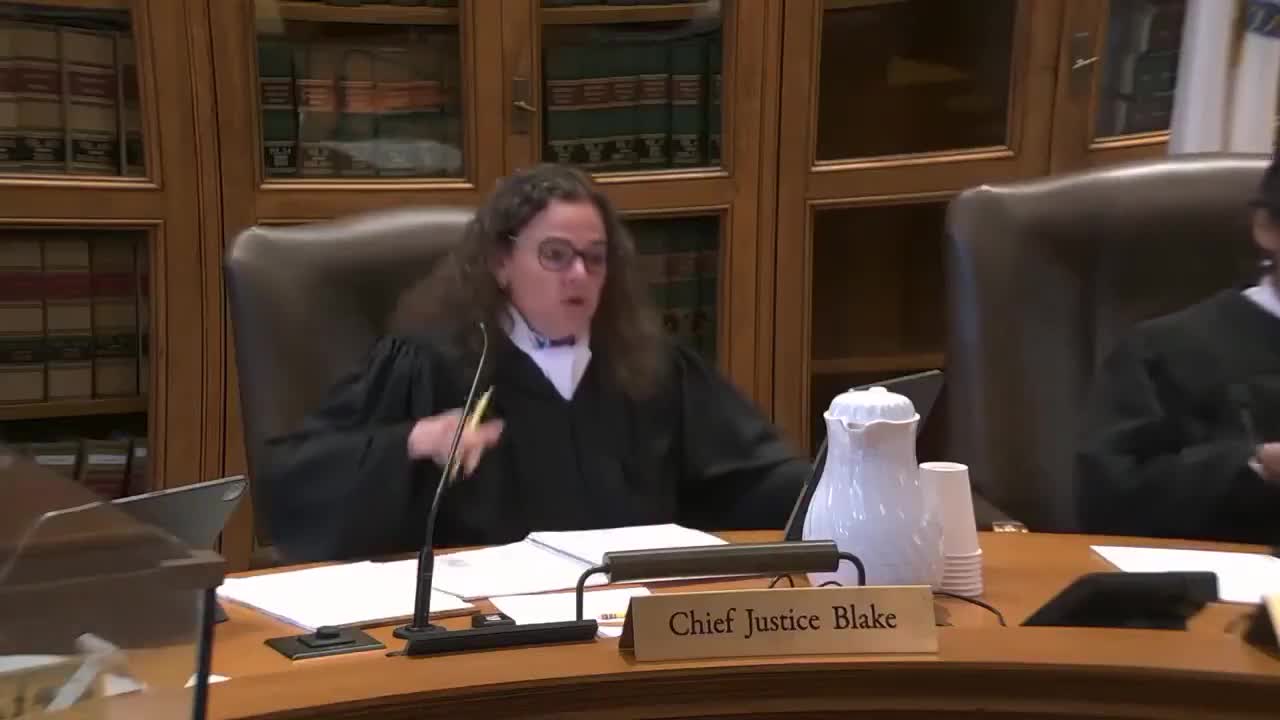
Summary
In an appellate hearing, defense counsel challenged a prosecutor's closing remark as inflammatory and urged reversal; the Commonwealth said the comment was supported by the evidence and the judge instructed jurors that argument is not evidence. The court took the matter under advisement.
BOSTON — Defense counsel in Commonwealth v. Christopher Hamilton argued to a three-justice panel of the Massachusetts Appeals Court that a prosecutor's early closing remark during trial was improper and warrants reversal, while the Commonwealth told the court the statement was a supported summary of the evidence. The panel took the case under advisement.
The dispute centers on a sentence in the prosecutor's closing that defense counsel said suggested the defendant "simply could not get enough," a phrasing the defense called inflammatory and not necessary. "Saying Christopher Hamilton simply could not get enough, I think, is an inappropriate statement regardless of the state of the evidence," Attorney William Corman told the court.
The Commonwealth's attorney, Ellen Lazar, replied that the remark was the opening sentence of an otherwise extensive closing argument and that the prosecutor grounded the statement in the evidence. "The prosecutor properly argued that the defendant could not get enough of these children," Lazar said, recounting testimony that the children returned to the defendant's home on multiple occasions and describing the events the jury credited.
Why this matters: appellate review will consider whether the remark, viewed in the context of the entire closing and the trial record, created a substantial risk of a miscarriage of justice. The defense acknowledged the remark was unobjected to at trial and framed the claim as an unpreserved error; the Commonwealth relied on precedent that juries can discount argument and that trial judges repeatedly instructed jurors that closing remarks are not evidence.
At the hearing, the justices pressed both sides on standards of review and context. Chief Justice Blake and the other panel members noted the appeals court must consider the closing argument in its entirety but also queried whether prosecutors are afforded leeway to draw reasonable inferences from evidence without resorting to inflammatory language.
The court did not issue a ruling at argument. The clerk recorded that the matter was "under advisement," meaning the panel will issue a written decision after reviewing the briefs and transcript.
Speakers cited in this article spoke during the argument: William Corman, defense attorney for the defendant; Ellen Lazar, counsel for the Commonwealth; Chief Justice Blake; Justice Desmond; Justice Singh. No numerical or evidentiary claims are stated beyond what the attorneys presented at oral argument.
The appeals court decision will determine whether reversible error occurred and whether the convictions must be reconsidered under the standards that govern unpreserved prosecutorial-error claims.