
Council designates city manager pro tem to negotiate limited labor issues; councilers add guardrail language
Get AI-powered insights, summaries, and transcripts
Subscribe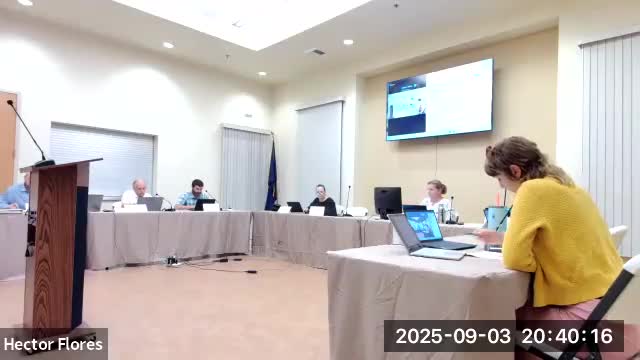
Summary
The council designated the city manager pro tem to negotiate with collective bargaining representatives on issues arising outside formal contract negotiations, while explicitly excluding authority to change organizational structure or bargaining‑unit membership without council concurrence.
The City Council voted to designate the city manager pro tem to negotiate with representatives of the city's collective bargaining units on issues that arise outside formal contract-renewal negotiations. Council amended the motion on the record to expressly bar the designee from making changes to organizational structure or bargaining‑unit membership without city‑council concurrence.
Staff said the designation formalizes a practice the prior manager had used and would allow the city to meet with bargaining-unit representatives or discuss grievances and day‑to‑day labor matters without waiting for a formal bargaining window. The city attorney cautioned that negotiators must avoid creating the appearance of final agreement when matters need council approval and urged clear guardrails.
Councilors debated the scope and safeguards for the designation; a majority supported the motion that included the explicit limitation that any changes to organizational structure or unit membership require council concurrence. The council then met in executive session to deliberate labor matters consistent with ORS 192.660(2)(d) with the designated representative present.
Why this matters: The action ensures the city has a formal representative for routine labor discussions and grievances while reserving authority to the council for substantive organizational changes.