Franklin Elementary principal outlines aggressive reading push, early gains reported
September 20, 2025 | Provo School District, Utah School Boards, Utah
This article was created by AI summarizing key points discussed. AI makes mistakes, so for full details and context, please refer to the video of the full meeting. Please report any errors so we can fix them. Report an error »
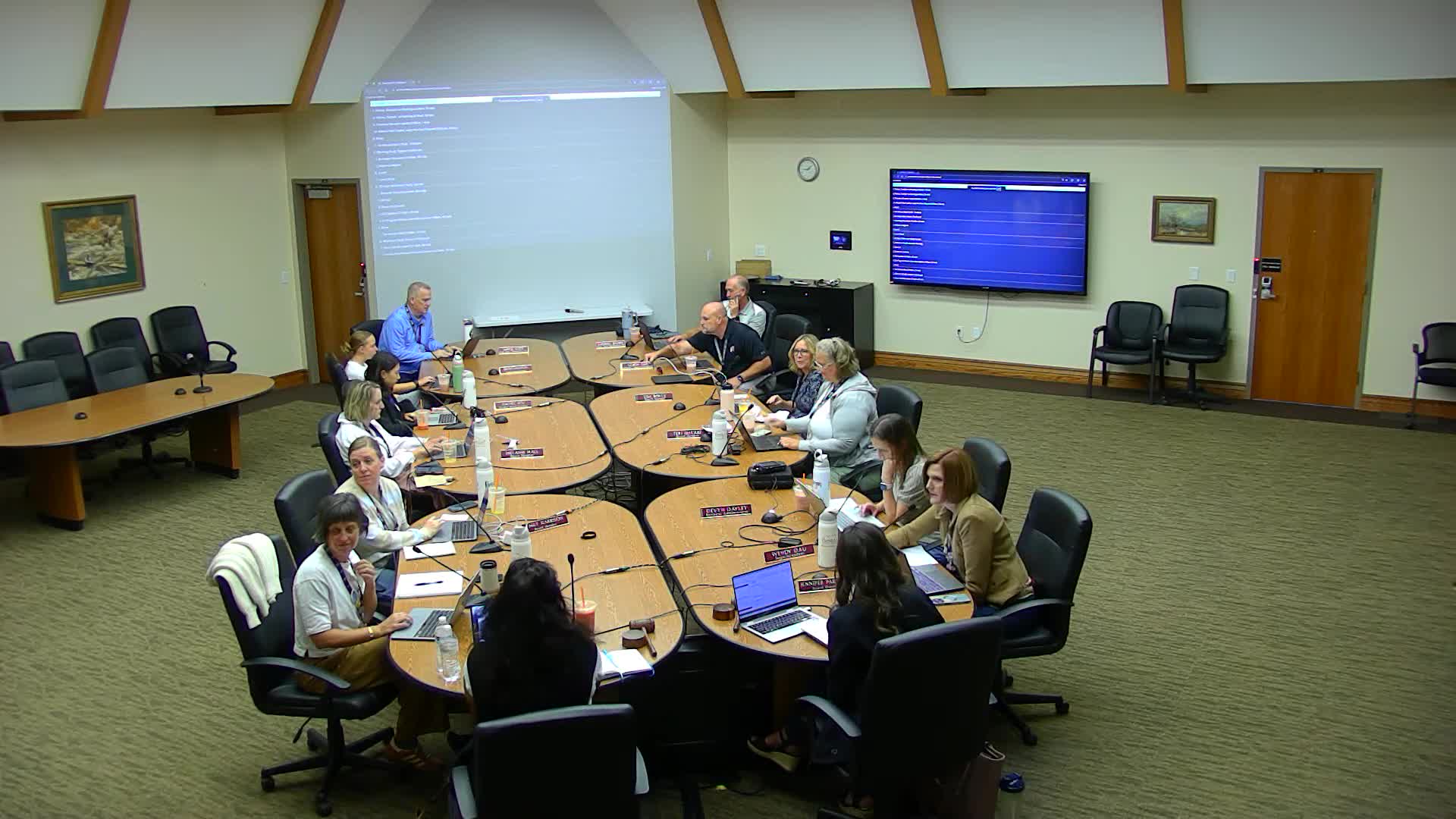
Dalby said the school created a new mission, vision and values statement and strengthened PBIS (Positive Behavioral Interventions and Supports) to highlight academics as well as behavior. She described a targeted “push-in” approach in first grade that keeps students in-class while teachers and coaches work in rotating small groups.
Dalby said the strategy produced early results: “I want every first grader to be able to read by the September. I need you to make it happen,” she told the board, then reported that, 10 days into the plan, “27 of our 42 first graders have made pretty significant progress. That's 64 percent of them.”
The school also set teacher incentives tied to three goals: a rotating school-climate goal (relationships, expectations, queuing); an individual teacher growth goal aligned with RISE and other benchmarks; and a proficiency target tied to Acadience and district benchmarks. Dalby described weekly teacher self-assessments and administrative walkthroughs to document implementation.
Dalby said special-education staff spent the first two weeks of school observing and reviewing every IEP and that early wins included a student who had been selectively mute reading aloud for the first time.
Board members asked about family engagement and the school’s capacity to absorb changes tied to boundary proposals. Dalby said Franklin communicates by newsletter, principal email, social media and parent nights and that PTA has been “a huge piece” of outreach. Board member Gina Hills expressed concern that immigrant families may be reluctant to engage; Dalby said she had received a few messages about safety and that staff have reached out to those families.
Board members and Dalby discussed the school's turnaround status and whether adding students from boundary changes could strain supports. Dalby said the school already has small class sizes that support the first-grade push and that any boundary decision should consider social and emotional impacts on students. The board did not vote on any boundary change at the Sept. 19 study session.
Dalby credited district instructional coaches and specialists for designing the push-in model and said the school will continue monitoring progress and reporting results to the board.
Don't Miss a Word: See the Full Meeting!
Go beyond summaries. Unlock every video, transcript, and key insight with a Founder Membership.
30-day money-back guarantee
Sponsors
Proudly supported by sponsors who keep Utah articles free in 2026

